Why UI/UX Design Challenges Matter
Many designers spend too much time consuming design inspiration and not enough time practicing design execution.
Watching tutorials helps.
Reading UX books helps.
But actual growth happens when designers repeatedly solve design problems themselves.
UI/UX design challenges help designers:
Improve consistency
Build faster design thinking
Learn layouts and hierarchy
Practice interaction design
Develop UX problem-solving skills
Build stronger portfolios
Gain confidence with real workflows
The more projects designers complete, the faster they improve.
This is similar to learning any creative or strategic discipline.
Repetition builds intuition.
Daily UI
One of the most popular UI challenge platforms is Daily UI.
Daily UI provides structured design prompts that help designers practice interface creation consistently over time.
The platform became widely popular because it encourages designers to build habits through daily design exercises.
Some examples include:
Login screens
Checkout flows
Profile pages
Dashboards
Notifications
Mobile onboarding screens
Payment experiences
The biggest advantage of Daily UI is consistency.
Instead of waiting for client projects, designers can continuously sharpen their skills by solving small design problems daily.
This improves:
Speed
Visual hierarchy
Component understanding
Layout confidence
UI pattern familiarity
For beginner UI designers, Daily UI acts as a practical design gym.

UI Coach
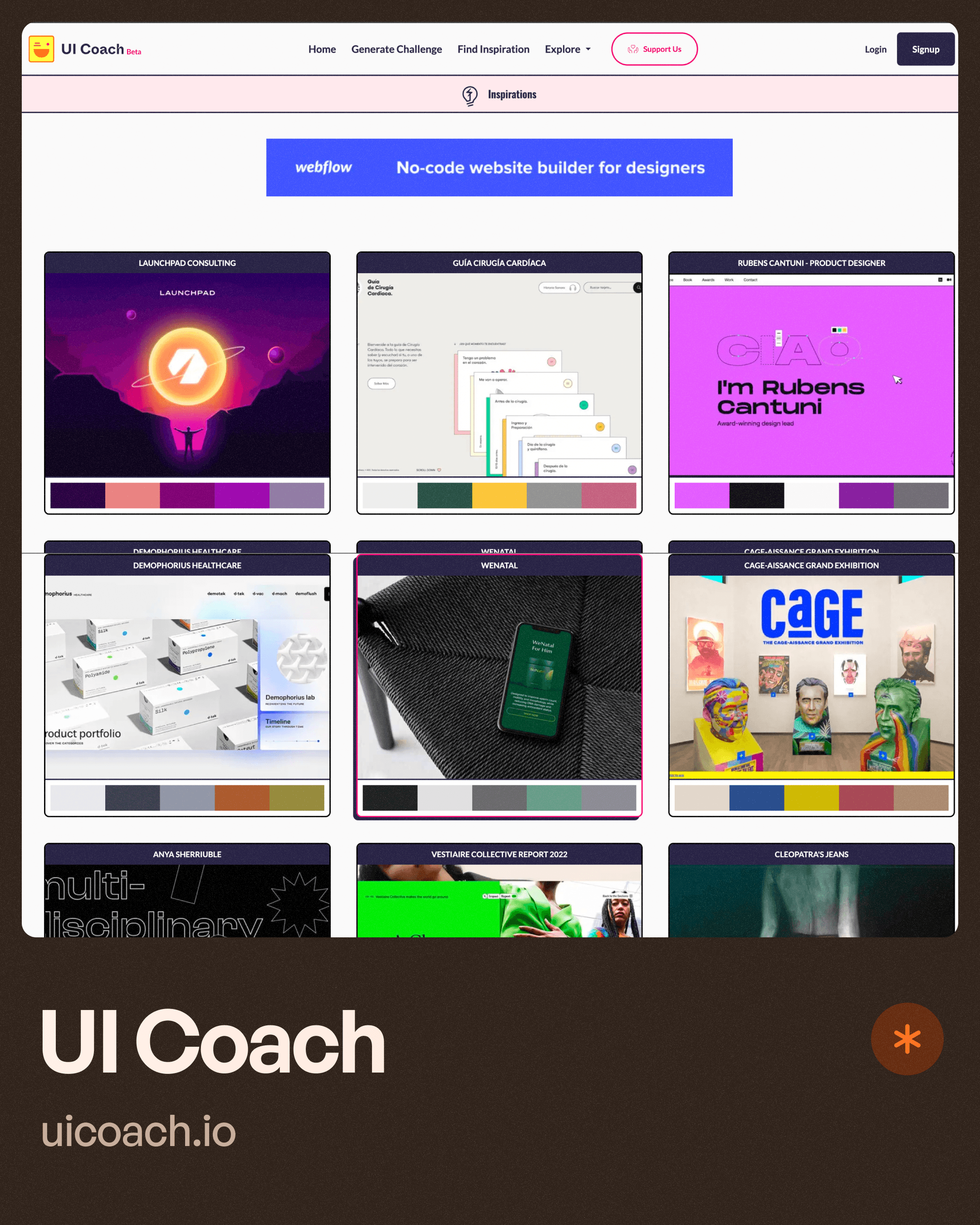
Another highly useful platform is UI Coach.
UI Coach helps designers improve through practical exercises, random design prompts, and UI practice challenges.
Unlike passive learning platforms, UI Coach focuses heavily on active problem-solving.
Designers receive prompts that encourage them to think about:
User flows
Layout structures
Interaction clarity
UX hierarchy
Product usability
This becomes especially valuable because good UI/UX design is not just about visuals.
It is about making decisions.
The platform helps designers think critically about interfaces rather than simply copying inspiration from Dribbble or Behance.
For UX designers wanting to improve product thinking, platforms like UI Coach are extremely valuable.
UX Tools Challenges
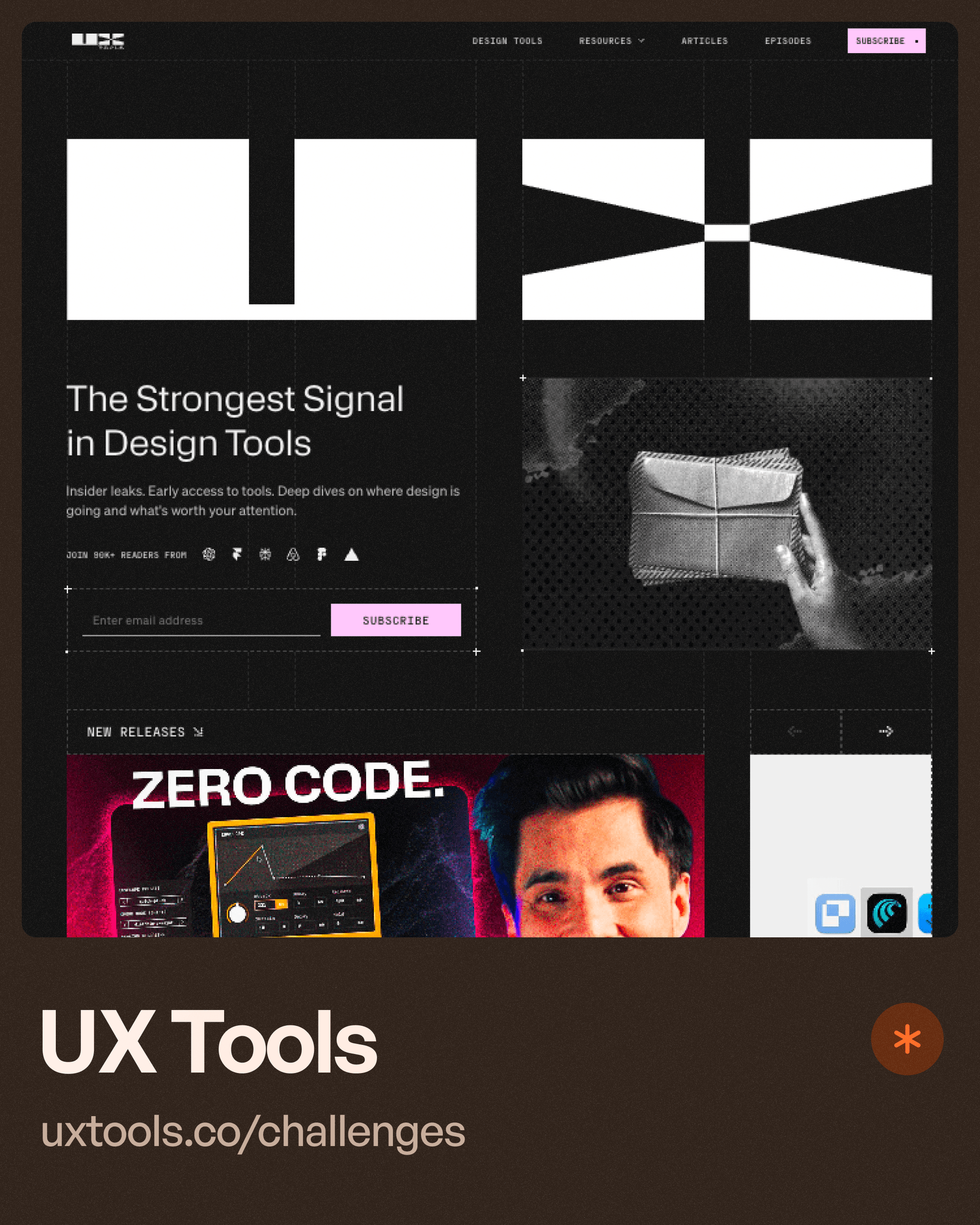
The UX Tools Challenges platform is another excellent resource for improving UX skills.
Unlike purely visual UI exercises, UX Tools focuses more on the broader UX process itself.
This includes:
UX research exercises
Information architecture tasks
User journey activities
UX strategy thinking
Product analysis exercises
This is important because many designers focus only on screens while ignoring the actual user experience behind them.
Real UX design involves:
Understanding workflows
Solving user pain points
Reducing friction
Improving usability
Supporting business goals
Platforms like UX Tools encourage deeper UX thinking beyond aesthetics.
FakeClients
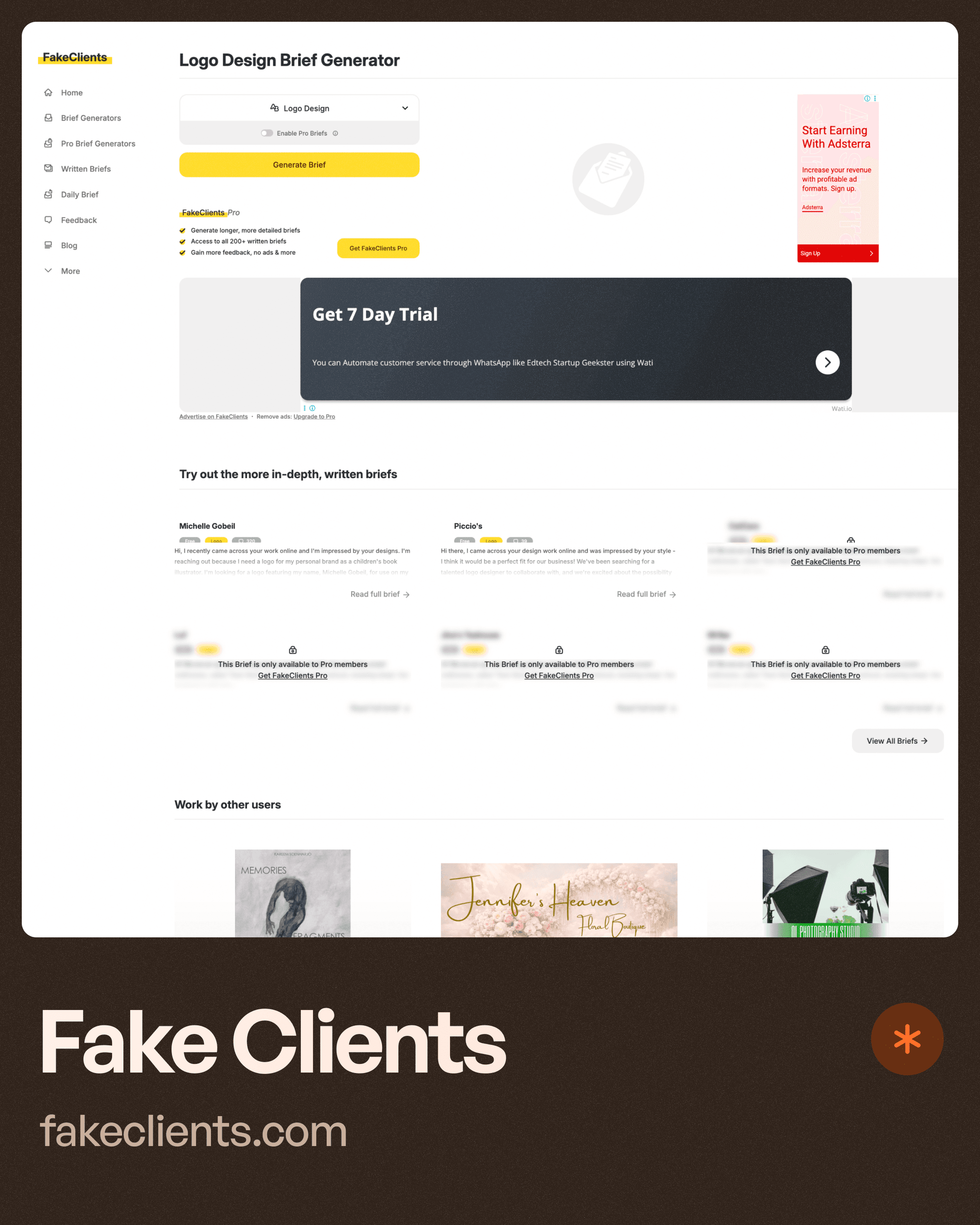
One of the most interesting practice platforms for designers is FakeClients.
FakeClients simulates real client briefs to help designers practice real-world project workflows.
Instead of generic exercises, designers receive realistic client requests similar to actual freelance or agency work.
This helps improve:
Requirement understanding
Communication thinking
Project interpretation
UX problem framing
Delivery confidence
For beginner freelancers and aspiring UI/UX professionals, FakeClients creates a more practical environment for portfolio building.
The biggest issue many junior designers face is lack of project experience.
FakeClients helps bridge that gap.
Why Designers Need Structured Practice
Many designers improve very slowly because their learning process lacks structure.
They:
Watch tutorials randomly
Copy interfaces without understanding them
Avoid solving actual UX problems
Focus only on visuals
Structured challenges improve designers much faster because they force active thinking.
Good design practice should include:
Problem-solving
UX decisions
Interface hierarchy
Workflow thinking
User-centered reasoning
The goal is not just making screens look attractive.
The goal is understanding why interfaces work.
The Difference Between UI Practice and UX Thinking
One important distinction is understanding the difference between UI challenges and UX problem-solving.
UI challenges improve:
Visual design
Layout composition
Typography
Color usage
Component consistency
UX exercises improve:
User flows
Navigation logic
Information architecture
Decision clarity
Workflow optimization
Strong designers learn both.
How Design Challenges Help Build Better Portfolios
Another major benefit of UI/UX challenges is portfolio development.
Many beginner designers struggle because they only have:
Tutorial copies
Redesign concepts
Random Dribbble shots
Structured challenges create stronger case studies because they show:
Process thinking
Design reasoning
Problem-solving ability
Consistency
Recruiters and clients increasingly look for thinking — not just visuals.
Design challenges help designers practice explaining decisions, which becomes extremely important during interviews and client discussions.
The Best Way to Learn UI/UX Design in 2026
The most effective UI/UX learning approach combines:
Design theory
Real project practice
UX psychology
Consistent exercises
Feedback loops
Workflow understanding
Designers who only consume content improve slowly.
Designers who repeatedly build interfaces improve much faster.
That is why daily design practice remains one of the strongest growth strategies for UI/UX designers.
Final Thoughts
UI/UX design is not mastered through watching tutorials alone.
It improves through repetition, structured challenges, and solving real interface problems consistently.
Platforms like Daily UI, UI Coach, UX Tools Challenges, and FakeClients help designers move beyond passive learning into active design thinking.
These resources improve:
UI execution
UX understanding
Workflow thinking
Portfolio quality
Product design confidence
At Upslide Design Studio, we strongly believe that consistent practice creates stronger designers because great UX is built through problem-solving, not just visual trends.
The future of UI/UX design belongs to designers who can think strategically, solve usability challenges, and design systems that truly improve user experiences.