


The Real Problem: SaaS Products Are Built on Assumptions
In the fast-paced world of SaaS, teams often operate under the belief that they fully understand their users. This assumption leads to products being designed based on internal opinions rather than actual user needs.
As a result, many features go unused, workflows become confusing, and user adoption suffers. The core issue is that most product decisions are guesses masked as strategic insights. When product teams assume rather than validate, they risk creating solutions that miss the mark.
Without thorough understanding, even the most well-intentioned features can become digital clutter. This reliance on assumptions often leads to a misalignment between the product and its users, resulting in poor adoption and wasted resources. The disconnect reveals itself in the form of underutilized features and complex user interfaces that hinder rather than help.
The insight here is clear: to build successful SaaS products, teams must move beyond assumptions. They need to ground their strategies in evidence gathered through UX research. Only then can they make informed decisions that truly resonate with user needs and expectations.
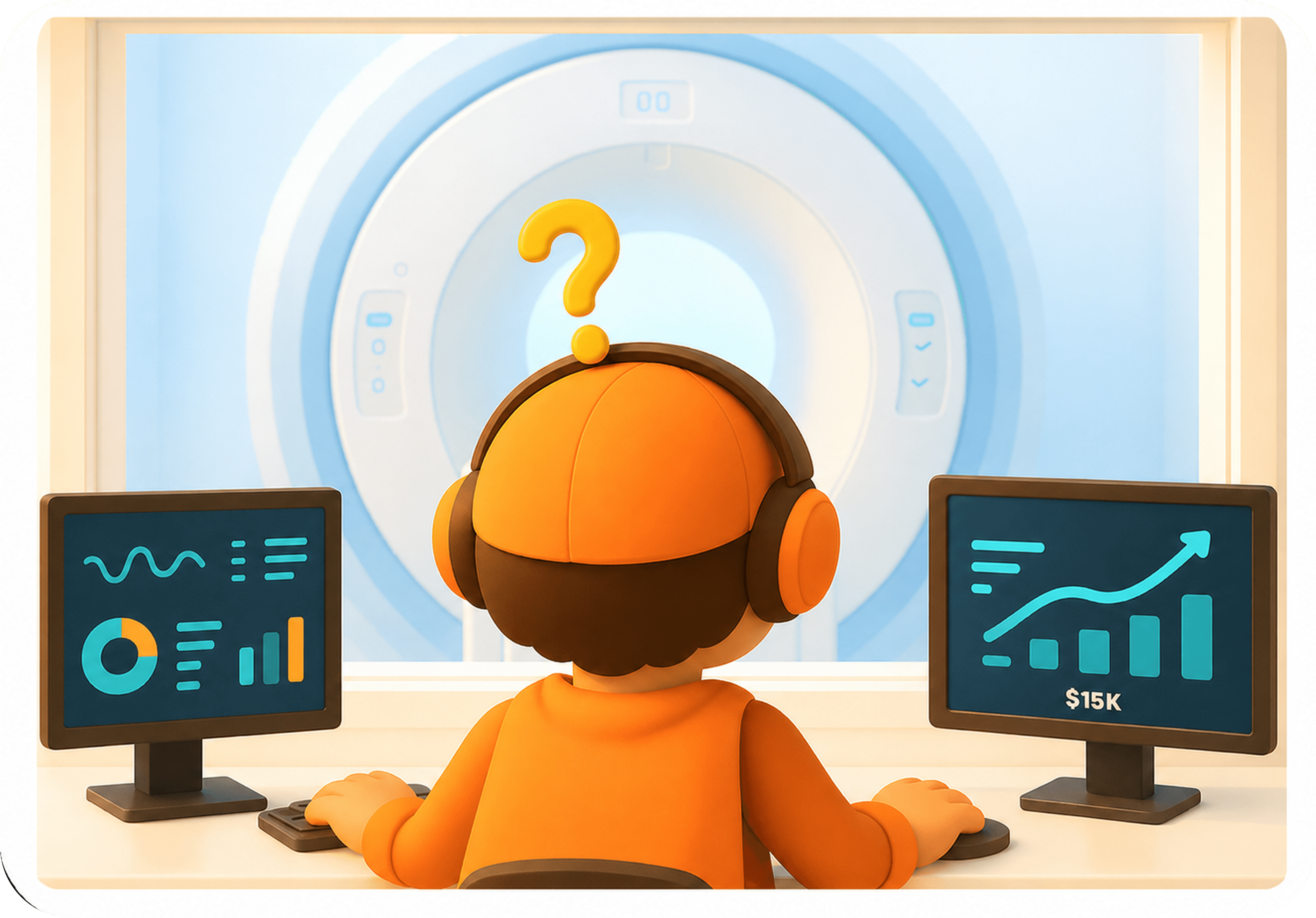
What UX Research Actually Is (System-Level Definition)
UX Research is not merely about collecting user opinions; it is about understanding real user behavior through a systematic approach. Rather than relying solely on surveys, UX research delves into actions, patterns, and points of friction within user interactions. This approach provides a comprehensive view that surveys alone cannot capture.
Dimension | Without UX Research | With UX Research | Strategic Impact |
Decision Basis | Assumptions | User evidence | Better decisions |
Feature Building | Guess-driven | Validated | Efficient development |
Risk Level | High | Reduced | Predictable outcomes |
Product Fit | Misaligned | User-aligned | Higher adoption |
Through UX research, product teams can transition from assumption-driven strategies to evidence-based ones. This shift not only enhances decision-making but also aligns product development with user expectations, ensuring higher adoption rates and reduced risks.

The Core Industry Mistake: Skipping Research to Move Faster
In the rush to ship products quickly, many teams view UX research as a delay rather than a necessity. They often bypass research, opting instead to rely on data dashboards that offer superficial insights into user behavior. This approach may seem efficient, but it overlooks the deeper understanding needed to build successful products.
What Teams Do | Why They Do It | What Actually Happens | Result |
Skip research | Save time | Build wrong features | Rework later |
Use analytics only | Data is available | Miss user intent | Poor decisions |
Validate post-launch | Faster release | Issues discovered late | Expensive fixes |
Skipping research doesn't save time it multiplies mistakes. The absence of early user insights results in products that require costly redesigns and fixes post-launch. Teams must recognize that UX research is an investment in getting it right the first time.
The Cost of Ignoring UX Research (Revenue Lens)
Ignoring UX research can have significant financial implications. When products are built without user insights, the consequences include feature waste, user churn, support overload, and expensive redesigns. Each of these factors impacts revenue and slows growth.
Research Gap | Product Impact | Business Impact | Long-Term Effect |
No user insight | Wrong features built | Wasted dev cost | Slower growth |
Poor onboarding | Users drop early | High churn | Lower LTV |
Workflow issues | Task friction | Support cost increase | Operational inefficiency |
Late validation | Post-launch fixes | Expensive redesign | Delayed roadmap |
Every decision made without the backing of UX research is a financial risk. By investing in understanding user behavior, teams can reduce these risks and ensure the product aligns with market needs from the start.
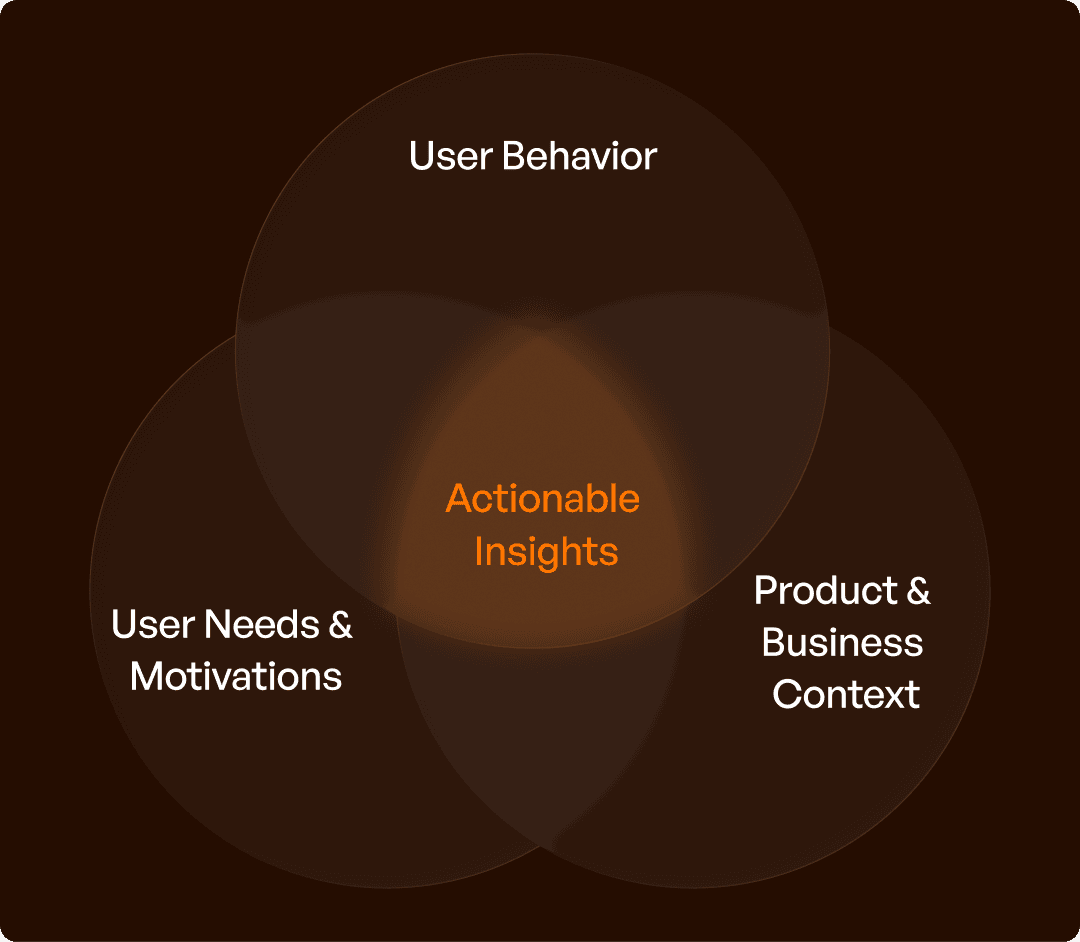
What UX Research Actually Includes (System Thinking)
UX Research is a multifaceted process that includes user interviews, behavioral analysis, usability testing, and continuous feedback loops. Each method plays a critical role in uncovering insights that drive product improvement.
Research Method | What It Reveals | Mistake When Skipped | Business Outcome |
User Interviews | User intent & pain points | Assumption-based design | Misaligned features |
Behavior Analysis | Drop-offs & friction | Ignoring real usage patterns | Low conversion |
Usability Testing | Interaction issues | Late discovery | Costly fixes |
Feedback Loops | Continuous insights | Static product decisions | Stagnant growth |
Research is not a phase; it's an ongoing system that continuously informs product decisions. This systematic approach ensures that products evolve with user needs, maintaining relevance and competitiveness in the market.
Why UX Research is Critical in B2B SaaS (Industry Reality)
B2B SaaS products face unique challenges such as complex workflows, multiple user roles, high switching costs, and data-heavy systems. These factors amplify the importance of UX research in ensuring product success.
SaaS Challenge | Without Research | With Research | Outcome |
Complex workflows | Confusing flows | Optimized journeys | Faster task completion |
Multi-role systems | Misaligned experiences | Role-specific design | Better usability |
Feature expansion | Cluttered product | Prioritized features | Higher adoption |
Enterprise use | Training dependency | Intuitive use | Reduced onboarding cost |
In SaaS, small UX issues can escalate into significant business problems. Effective UX research ensures that products cater to the diverse needs of enterprise users, facilitating smoother operations and reducing costs associated with training and support.
The Upslide Approach to UX Research
At Upslide, our approach to UX research is deeply tied to business outcomes. We focus on understanding workflows rather than just screens, ensuring that insights lead to actionable redesigns. Our method involves continuous research loops that foster ongoing product improvement.
Typical Approach | Upslide Approach | Business Outcome |
Surface-level research | Deep workflow analysis | Accurate insights |
One-time activity | Continuous research loops | Ongoing improvement |
Insight only | Insight → execution | Faster impact |
UI-first redesign | Research-first strategy | Reduced risk |
With over 50 enterprise redesigns spanning governments, enterprises, and startups, we understand that design isn't just about aesthetics it's about enhancing business operations. Our philosophy is simple: you can't fix what you don't understand. By embedding research into the core of our design process, we help B2B SaaS companies achieve scalable growth and operational efficiency.

Final Insight
UX Research is the foundation of informed product decisions. Without it, teams are building blindly, risking both time and resources. Every product decision made without proper research is a gamble, one that can lead to missed opportunities and financial setbacks.
For B2B SaaS companies seeking to uncover deep user insights and transform them into high-performing product experiences, Upslide is the partner of choice. Our expertise in UI/UX design ensures that your product not only meets but exceeds user expectations, driving growth and reducing operational costs. Let us help you build a product that truly resonates with your users.
Further reading:
Most products fail — Highlight continuous updates
micro-interactions — Explain small UX changes
user personas — Discuss user personas
user flows — Importance of user flows