Redesigning Incident Management From Paper Trails to Predictable Workflows
Redesigning Incident Management From Paper Trails to Predictable Workflows
Redesigning Incident Management From Paper Trails to Predictable Workflows
About Project
About Project
About Project
The Incident Management System (IMS) is a core Quality module used to record and manage unexpected events across manufacturing, QC, engineering, and day-to-day operations. Each incident moves through a structured sequence reporting, assessment, investigation and final QA closure.
IMS investigations were partly paper-based teams recorded details offline first and updated the system later, causing delays, missing information, and inconsistent investigation records. With scattered screens and no guided flow, users struggled to understand and track incident progress.
Seeing repeated delays and inefficiencies, Audree partnered with us to redesign IMS into a fully guided, digital lifecycle where every step is structured, traceable, and easy for QA, Production, QC teams.
The Incident Management System (IMS) is a core Quality module used to record and manage unexpected events across manufacturing, QC, engineering, and day-to-day operations. Each incident moves through a structured sequence reporting, assessment, investigation and final QA closure.
IMS investigations were partly paper-based teams recorded details offline first and updated the system later, causing delays, missing information, and inconsistent investigation records. With scattered screens and no guided flow, users struggled to understand and track incident progress.
Seeing repeated delays and inefficiencies, Audree partnered with us to redesign IMS into a fully guided, digital lifecycle where every step is structured, traceable, and easy for QA, Production, QC teams.
About Project
Pharmaceutical
Team
Varun , S.Madhumala
Subscription Category
Quick win
Project start Year
August 2025
Core Business Challenges
Core Business Challenges
Core Business Challenges
Poor User Adoption Due to Outdated Experience
Poor User Adoption Due to Outdated Experience
Poor User Adoption Due to Outdated Experience
The old IMS screens were cluttered and unclear. Users couldn’t see what to do next, so most steps were completed offline, reducing system adoption and increasing QA workload.
The old IMS screens were cluttered and unclear. Users couldn’t see what to do next, so most steps were completed offline, reducing system adoption and increasing QA workload.
The old IMS screens were cluttered and unclear. Users couldn’t see what to do next, so most steps were completed offline, reducing system adoption and increasing QA workload.
Stuck in a Loop, Slowed by Inefficiency
Stuck in a Loop, Slowed by Inefficiency
Stuck in a Loop, Slowed by Inefficiency
Investigations moved slowly because teams recorded details on paper first, then re-entered them into the system causing repeated work, missing information, and delayed progress.
Investigations moved slowly because teams recorded details on paper first, then re-entered them into the system causing repeated work, missing information, and delayed progress.
Investigations moved slowly because teams recorded details on paper first, then re-entered them into the system causing repeated work, missing information, and delayed progress.
Heavy Dependence on Manual Coordination
Heavy Dependence on Manual Coordination
Teams relied on calls, emails, and handwritten notes, share evidence, and decide next actions leading to confusion, inconsistent documentation, and slow closures.
Teams relied on calls, emails, and handwritten notes, share evidence, and decide next actions leading to confusion, inconsistent documentation, and slow closures.
Heavy Dependence on Manual Coordination
Teams relied on calls, emails, and handwritten notes, share evidence, and decide next actions leading to confusion, inconsistent documentation, and slow closures.
Our Approach
Our Approach
Our Approach
Mapping User Flows to Uncover Hidden Gaps
We mapped the entire IMS lifecycle from Incident Reporting to Assessment, to QA Closure.This helped us identify where users struggled with scattered steps, repeated data entry, missing context, and unclear next actions.
Mapping User Flows to Uncover Hidden Gaps
We mapped the entire IMS lifecycle from Incident Reporting to Assessment, to QA Closure.This helped us identify where users struggled with scattered steps, repeated data entry, missing context, and unclear next actions.
Mapping User Flows to Uncover Hidden Gaps
We mapped the entire IMS lifecycle from Incident Reporting to Assessment, to QA Closure.This helped us identify where users struggled with scattered steps, repeated data entry, missing context, and unclear next actions.
Designing Incident Management System Into Structured Workflow
Designing Incident Management System Into Structured Workflow
Designing Incident Management System Into Structured Workflow
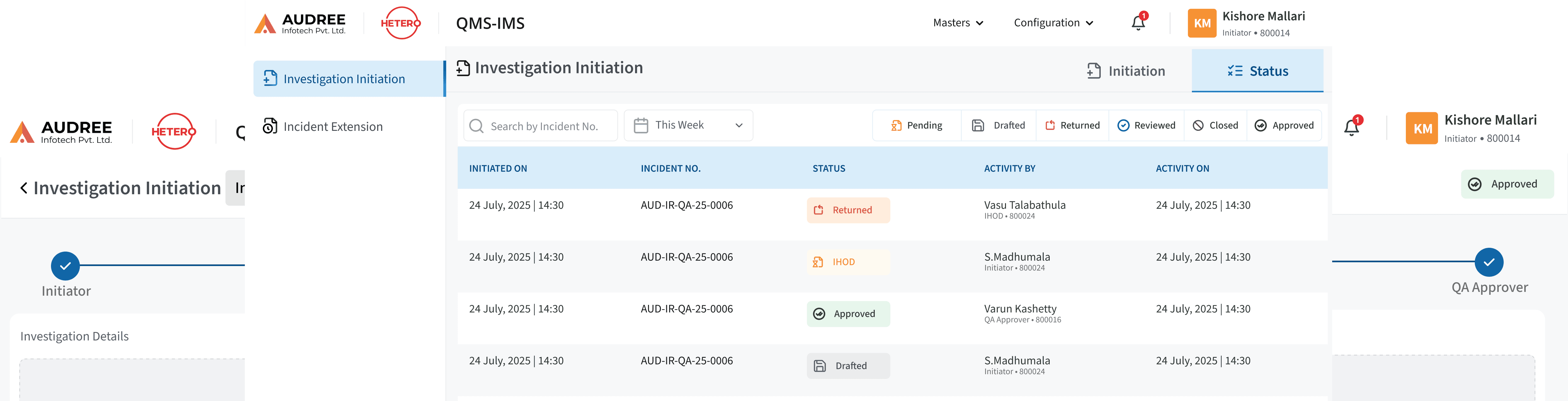
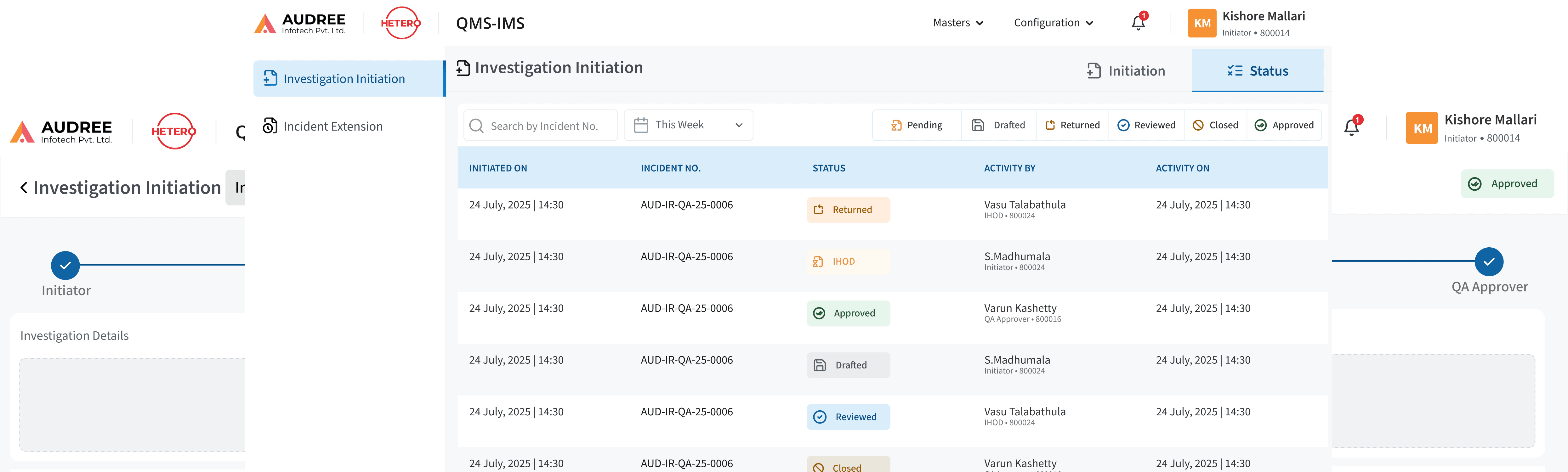
We rebuilt the IMS lifecycle by turning a previously fragmented, partly paper-driven process into one structured, guided workflow. Every stage from reporting to assessment, investigation and closure was redesigned into predictable, role-based steps with clear action cues. With unified screens, phase visibility, and consistent documentation, teams no longer struggle with scattered information, repeated follow-ups, or unclear investigation paths.
We rebuilt the IMS lifecycle by turning a previously fragmented, partly paper-driven process into one structured, guided workflow. Every stage from reporting to assessment, investigation and closure was redesigned into predictable, role-based steps with clear action cues. With unified screens, phase visibility, and consistent documentation, teams no longer struggle with scattered information, repeated follow-ups, or unclear investigation paths.
Simplified IMS Initiation for Faster Reporting
Simplified IMS Initiation for Faster Reporting
Simplified IMS Initiation for Faster Reporting
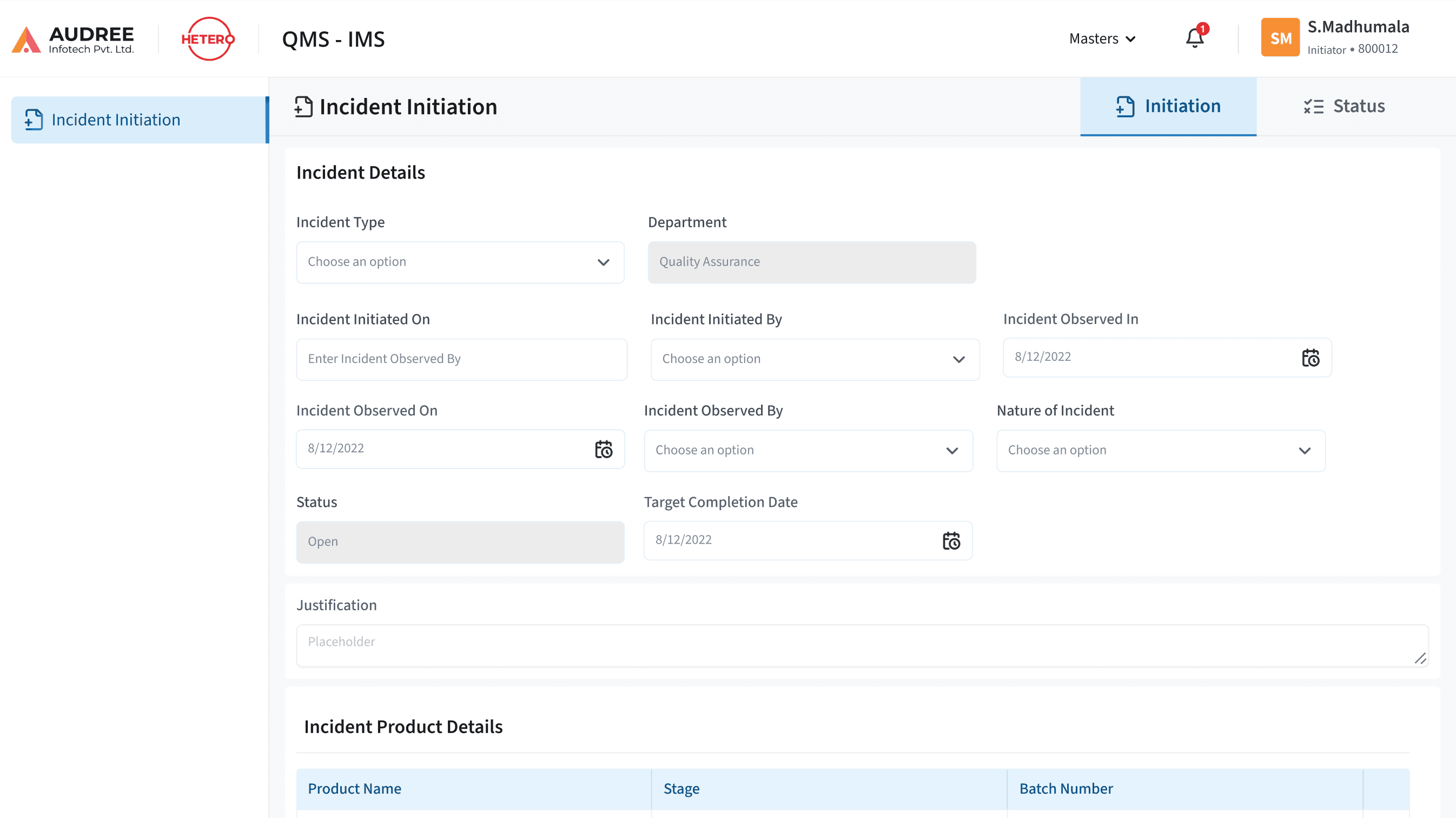
We redesigned the IMS initiation flow to match how QA, Production, and QC teams actually report incidents. Previously, teams wrote details on paper first and entered them later but now, reporting happens directly in a clean, structured digital format.
Clearer forms, guided fields, and upfront validations make it easy to capture complete, accurate incident details right at the start.
We redesigned the IMS initiation flow to match how QA, Production, and QC teams actually report incidents. Previously, teams wrote details on paper first and entered them later but now, reporting happens directly in a clean, structured digital format.
Clearer forms, guided fields, and upfront validations make it easy to capture complete, accurate incident details right at the start.
We redesigned the IMS initiation flow to match how QA, Production, and QC teams actually report incidents. Previously, teams wrote details on paper first and entered them later but now, reporting happens directly in a clean, structured digital format.
Clearer forms, guided fields, and upfront validations make it easy to capture complete, accurate incident details right at the start.
Structured Review for Seamless Investigation
Structured Review for Seamless Investigation
Structured Review for Seamless Investigation
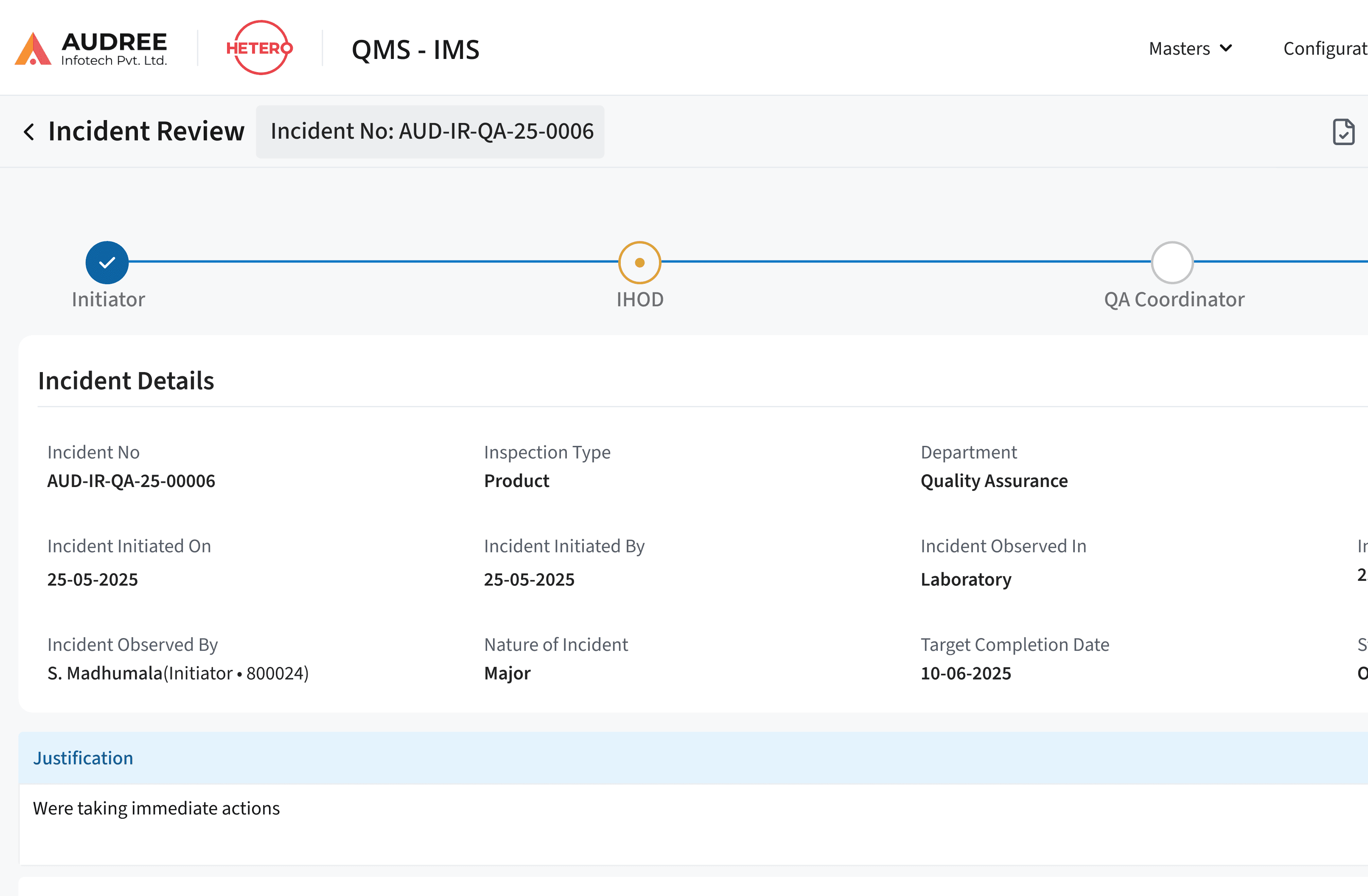
We redesigned the IMS interface with clean navigation, making each step from reporting to QA review easy to follow without searching or guessing.
Each role can clearly see:
What was completed in earlier steps
Evidence, comments, attachments, and previous findings
Progress indicators with neat separation of actions
Current investigation status and what comes next
We turned a previously scattered, manual process into a clear, predictable investigation workflow.
We redesigned the IMS interface with clean navigation, making each step from reporting to QA review easy to follow without searching or guessing.
Each role can clearly see:
What was completed in earlier steps
Evidence, comments, attachments, and previous findings
Progress indicators with neat separation of actions
Current investigation status and what comes next
We turned a previously scattered, manual process into a clear, predictable investigation workflow.
We redesigned the IMS interface with clean navigation, making each step from reporting to QA review easy to follow without searching or guessing.
Each role can clearly see:
What was completed in earlier steps
Evidence, comments, attachments, and previous findings
Progress indicators with neat separation of actions
Current investigation status and what comes next
We turned a previously scattered, manual process into a clear, predictable investigation workflow.
Clear Visual Trends for Confident Decision Making
Clear Visual Trends for Confident Decision Making
Clear Visual Trends for Confident Decision Making
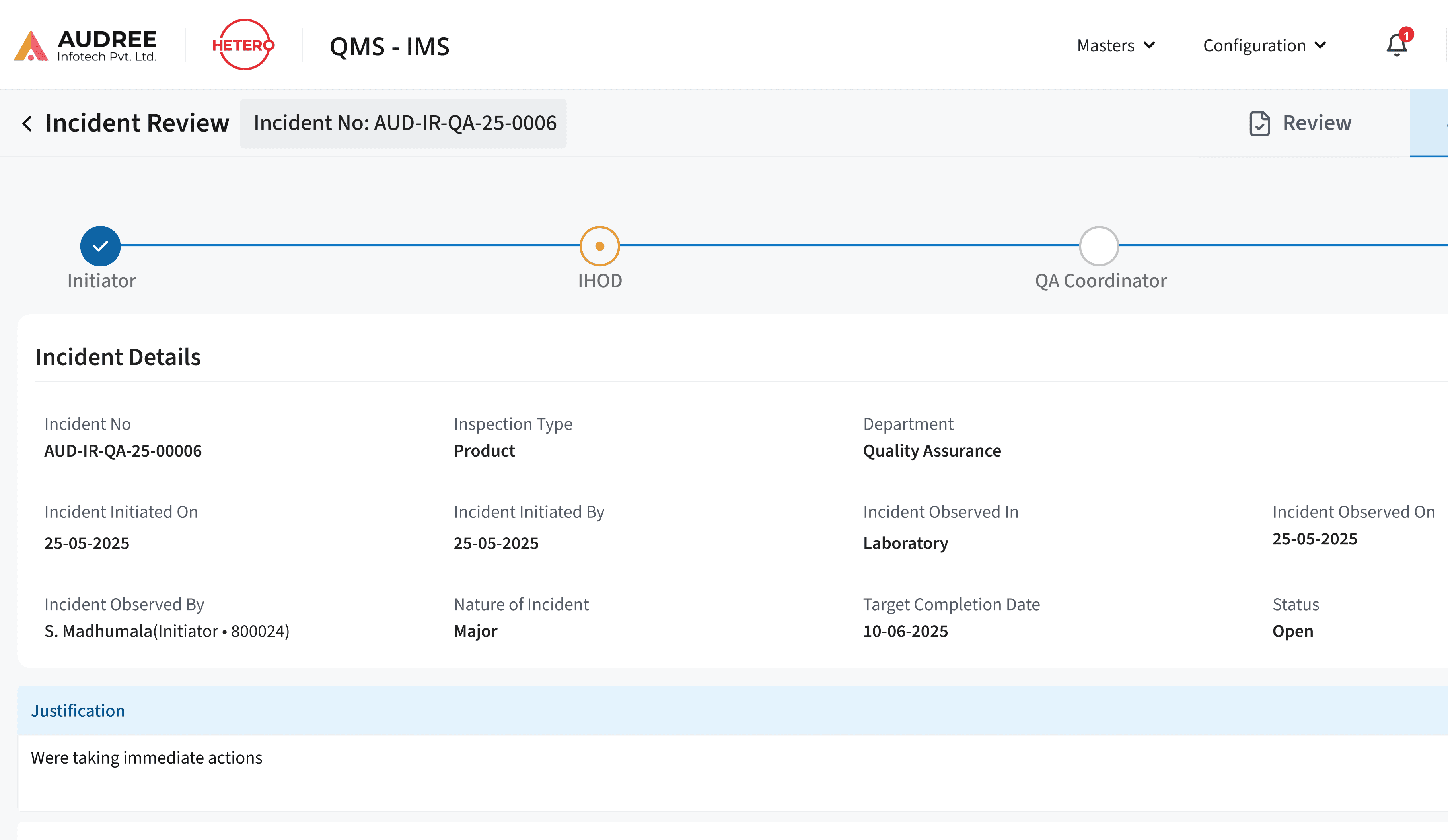
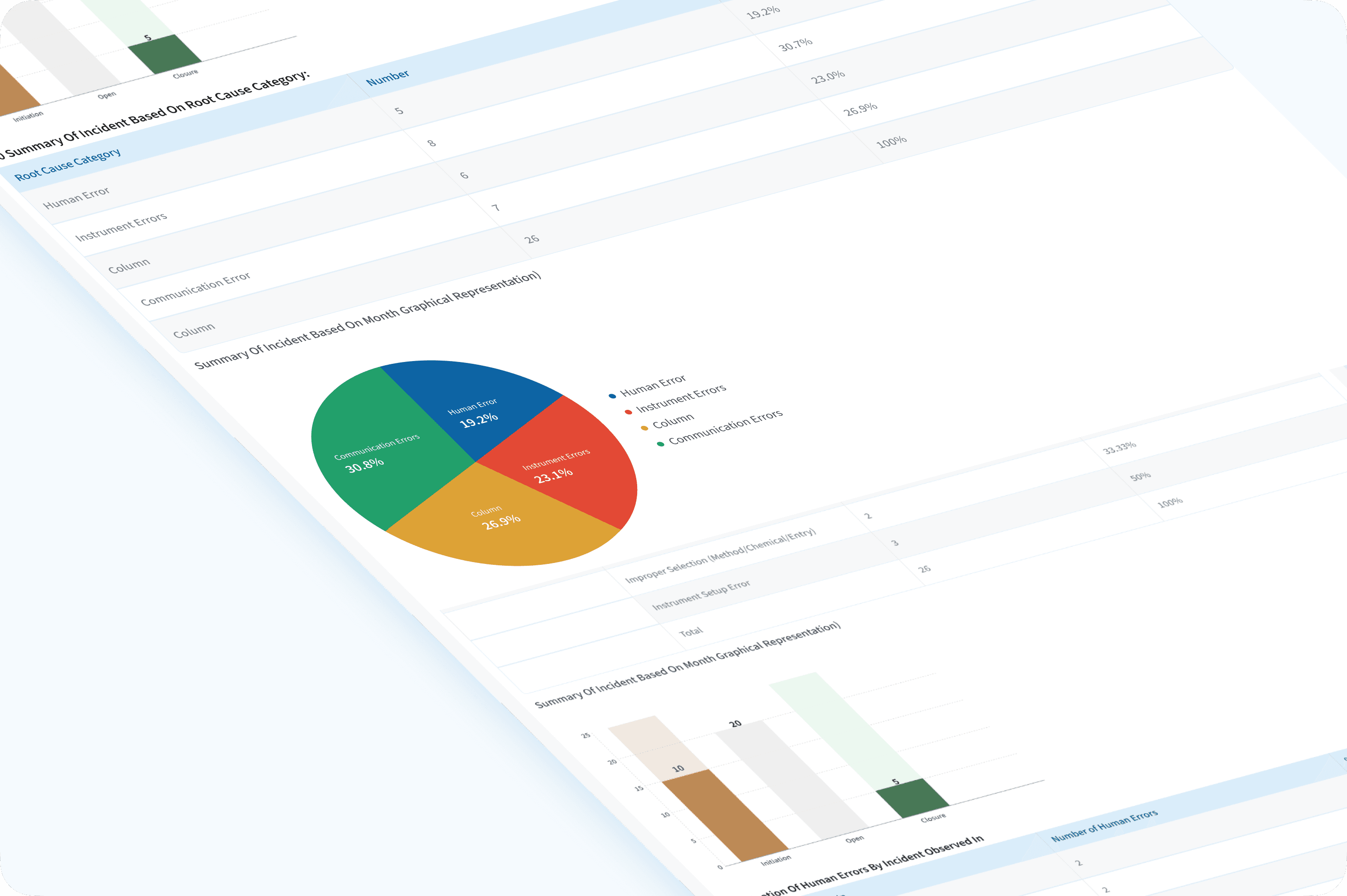
The redesigned Trend Report lets users analyse incidents over any selected time period with a clean, visual breakdown. Everything is presented in a structured, easy-to-read format, helping teams spot patterns, compare timelines, and take informed decisions quickly.
The redesigned Trend Report lets users analyse incidents over any selected time period with a clean, visual breakdown. Everything is presented in a structured, easy-to-read format, helping teams spot patterns, compare timelines, and take informed decisions quickly.
The redesigned Trend Report lets users analyse incidents over any selected time period with a clean, visual breakdown. Everything is presented in a structured, easy-to-read format, helping teams spot patterns, compare timelines, and take informed decisions quickly.
A Cleaner UI for Faster, Confident Decisions
A Cleaner UI for Faster, Confident Decisions
A Cleaner UI for Faster, Confident Decisions
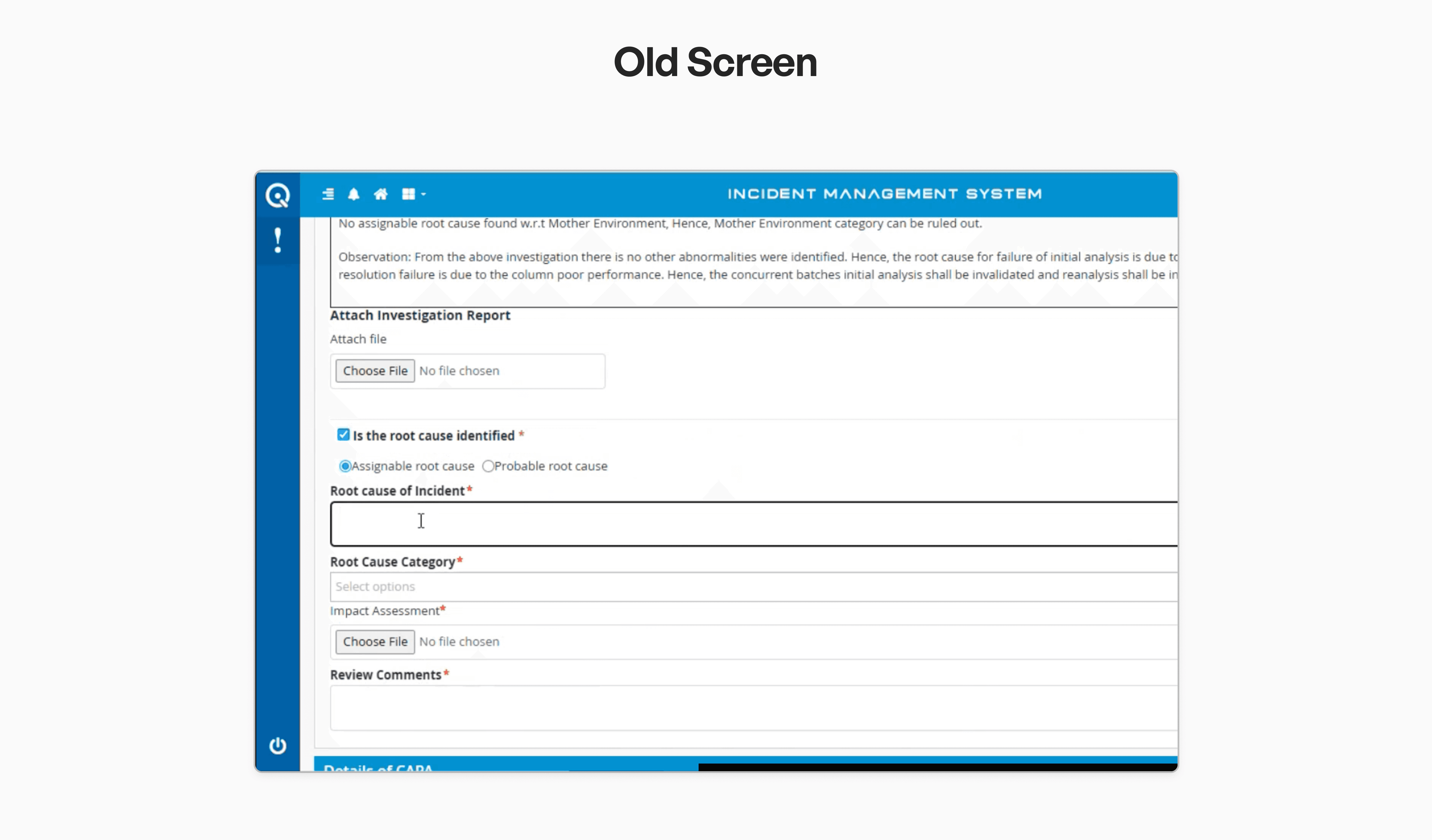
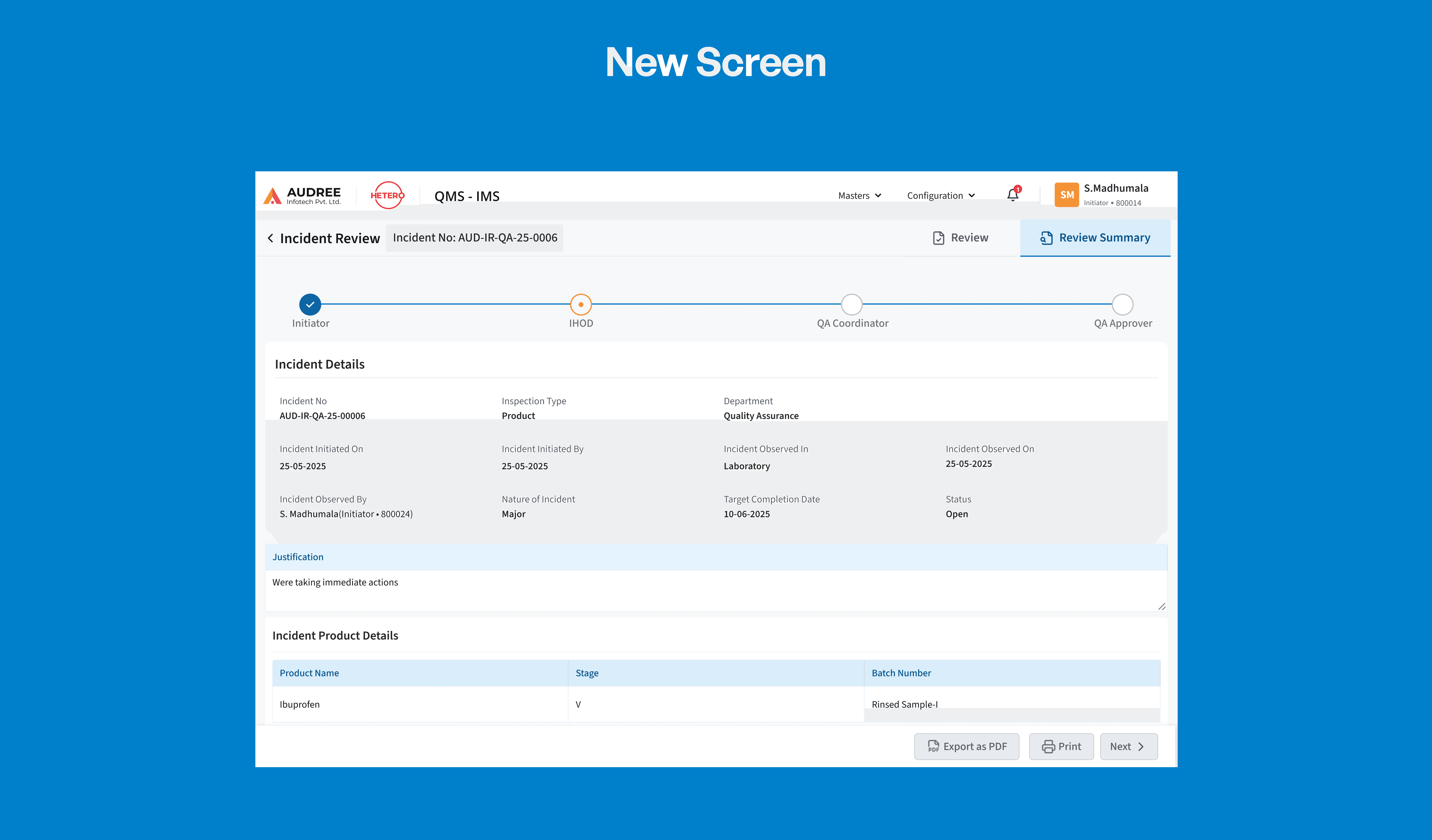
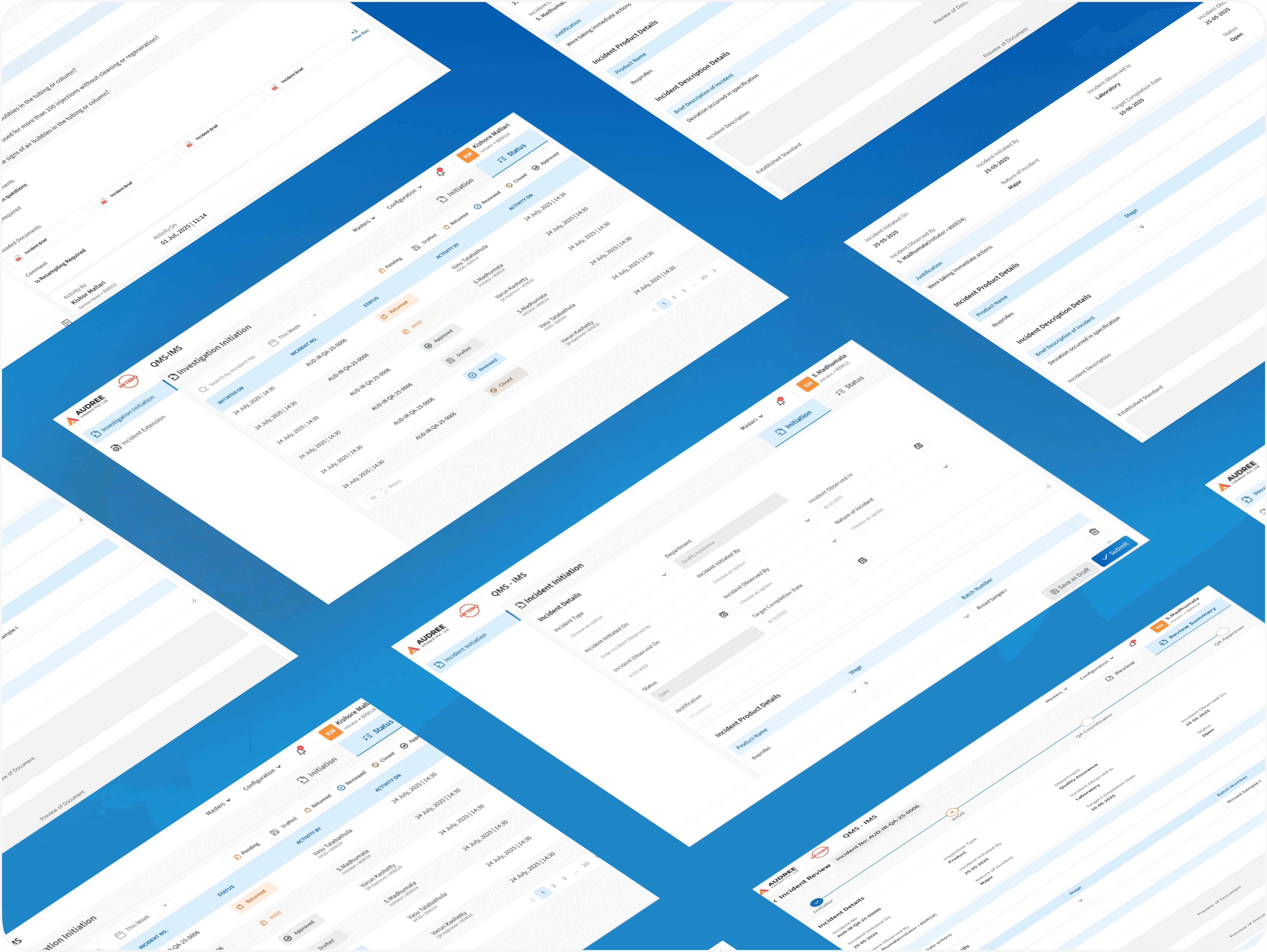
The redesigned UI makes every IMS step easy to navigate. Clean layouts, structured tables, and clear visual cues guide users through investigations phases without confusion.
The redesigned UI makes every IMS step easy to navigate. Clean layouts, structured tables, and clear visual cues guide users through investigations phases without confusion.
Results That Redefined Incident Lifecycle
Results That Redefined Incident Lifecycle
Results That Redefined Incident Lifecycle
Clearer workflows, structured phases, and guided role-based actions significantly improved reporting speed, investigation quality, and cross-team coordination across all departments.
Clearer workflows, structured phases, and guided role-based actions significantly improved reporting speed, investigation quality, and cross-team coordination across all departments.

Stronger Traceability & Control
Stronger Traceability & Control
Stronger Traceability & Control
Real-time status visibility and structured forms ensured accurate capture from reporting to closure, reducing compliance gaps and simplifying audits.
Real-time status visibility and structured forms ensured accurate capture from reporting to closure, reducing compliance gaps and simplifying audits.
Real-time status visibility and structured forms ensured accurate capture from reporting to closure, reducing compliance gaps and simplifying audits.

Faster Incident Closure
Guided digital steps replaced paper and manual follow-ups, enabling faster assessments with clear, predictable phase progression.

Reduced Follow-ups & Support Dependency
Unified screens and clear phase visibility reduced confusion, with every update, comment, and attachment tracked in one continuous flow.
Faster Incident Closure
Faster Incident Closure
Guided digital steps replaced paper and manual follow-ups, enabling faster assessments with clear, predictable phase progression.
Guided digital steps replaced paper and manual follow-ups, enabling faster assessments with clear, predictable phase progression.
Reduced Follow-ups & Support Dependency
Reduced Follow-up & Support Dependency
Unified screens and clear phase visibility reduced confusion, with every update, comment, and attachment tracked in one continuous flow.
Unified screens and clear phase visibility reduced confusion, with every update, comment, and attachment tracked in one continuous flow.
Deep-Dive Into More System
Deep-Dive Into More System
Deep-Dive Into More System
Browse every optimised Software and explore how legacy systems became intuitive.
Browse every optimised Software and explore how legacy systems became intuitive.
Browse every optimised Software and explore how legacy systems became intuitive.
RCAI
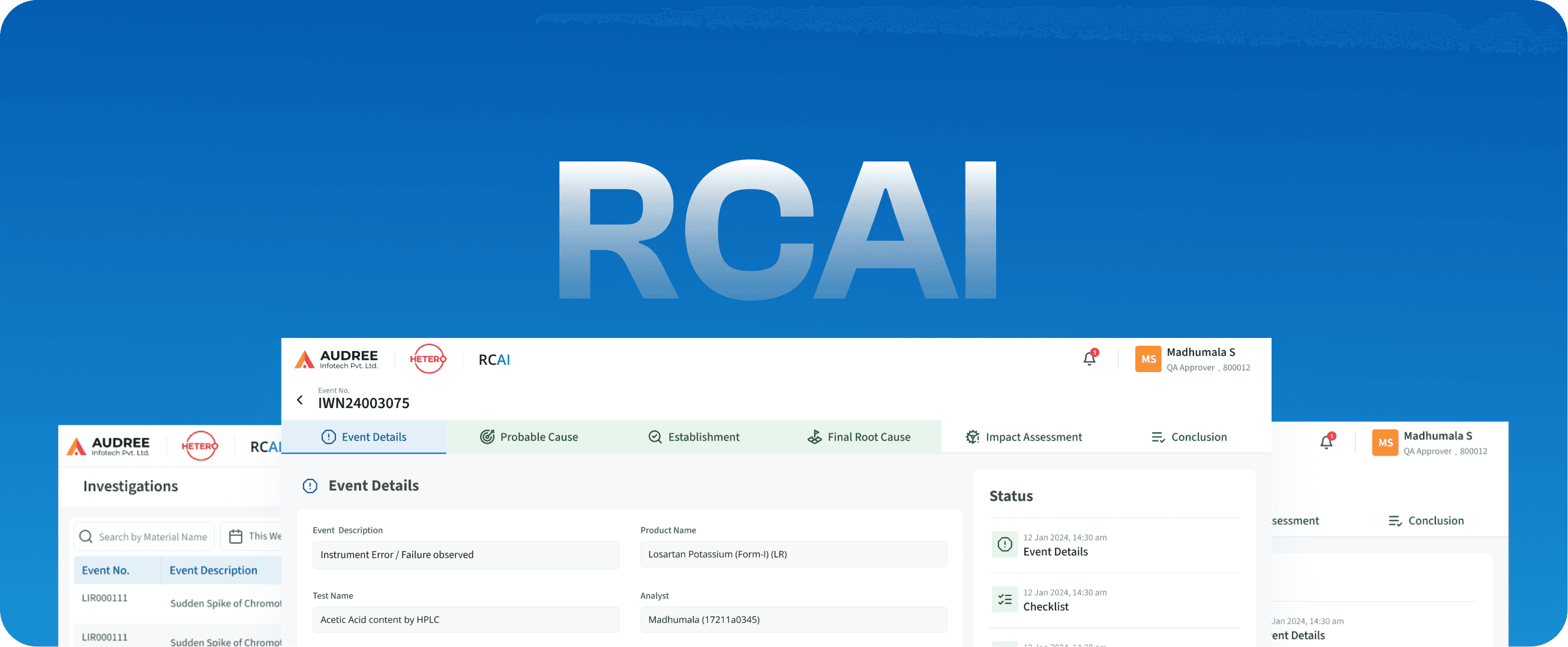
Root Cause Analysis with Intelligence
LMS
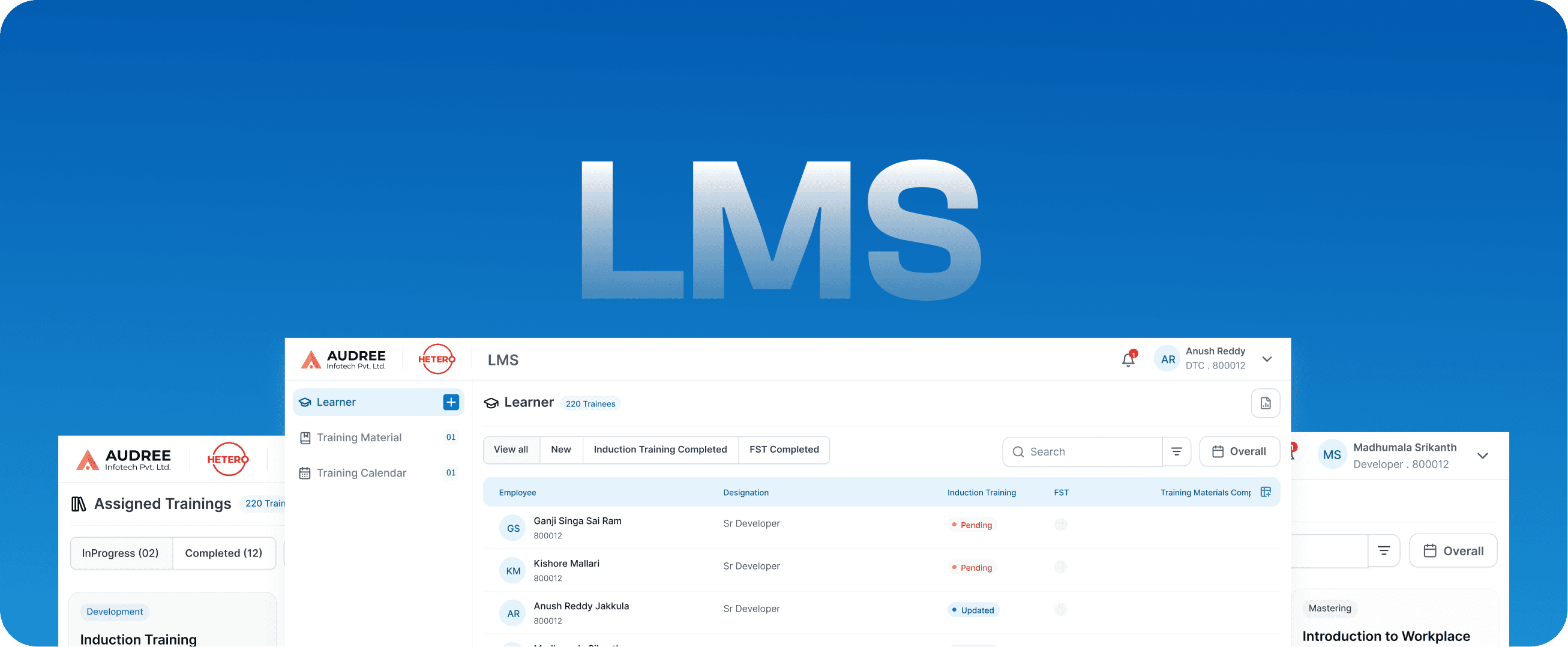
Learning Management System
LIMS
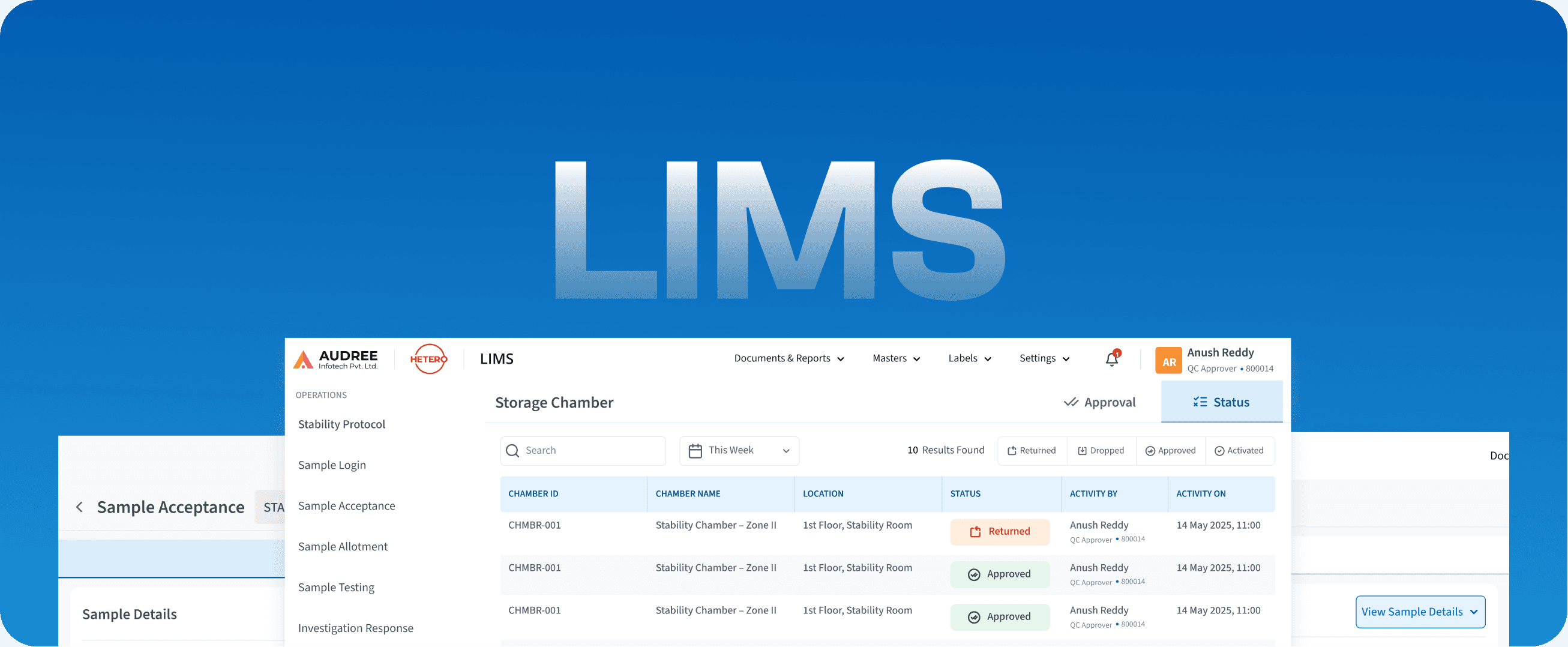
Laboratory Information Management System
S & OP
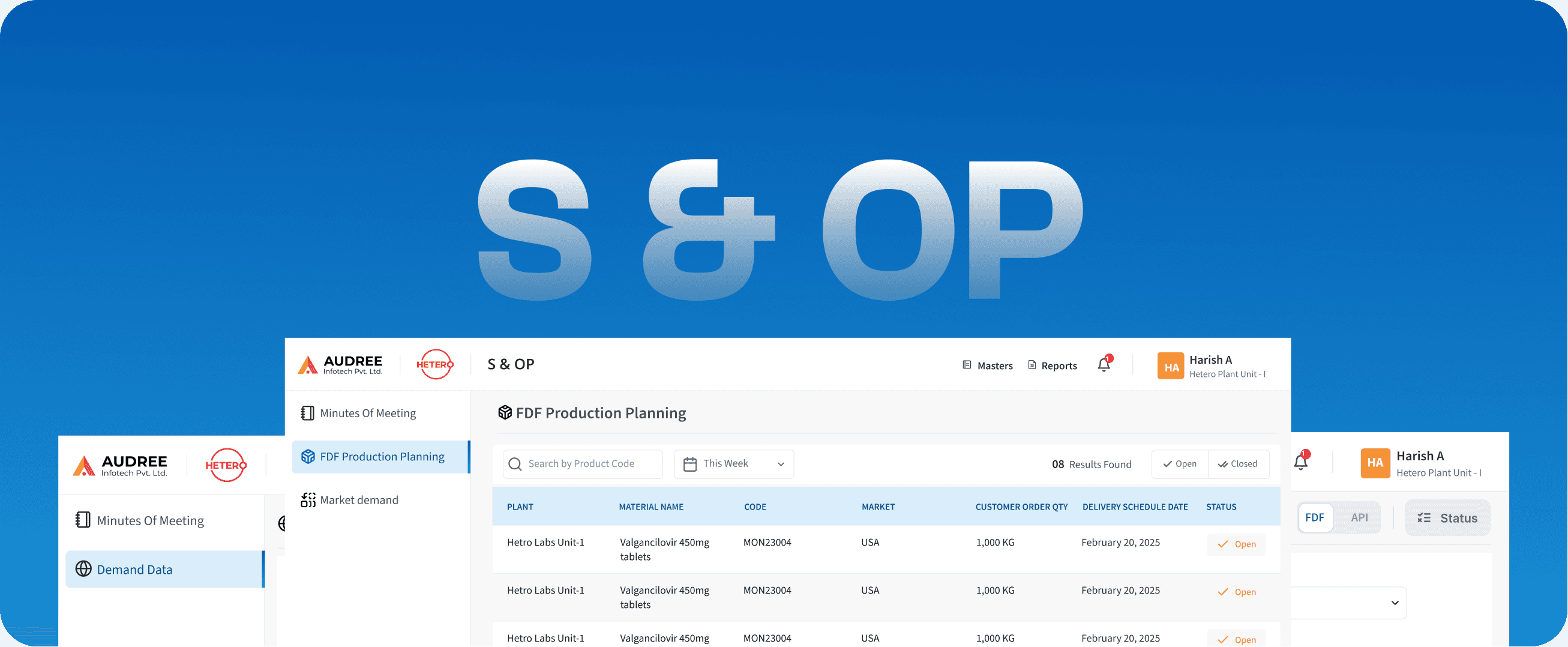
Sales & Operations Planning
E-BMR
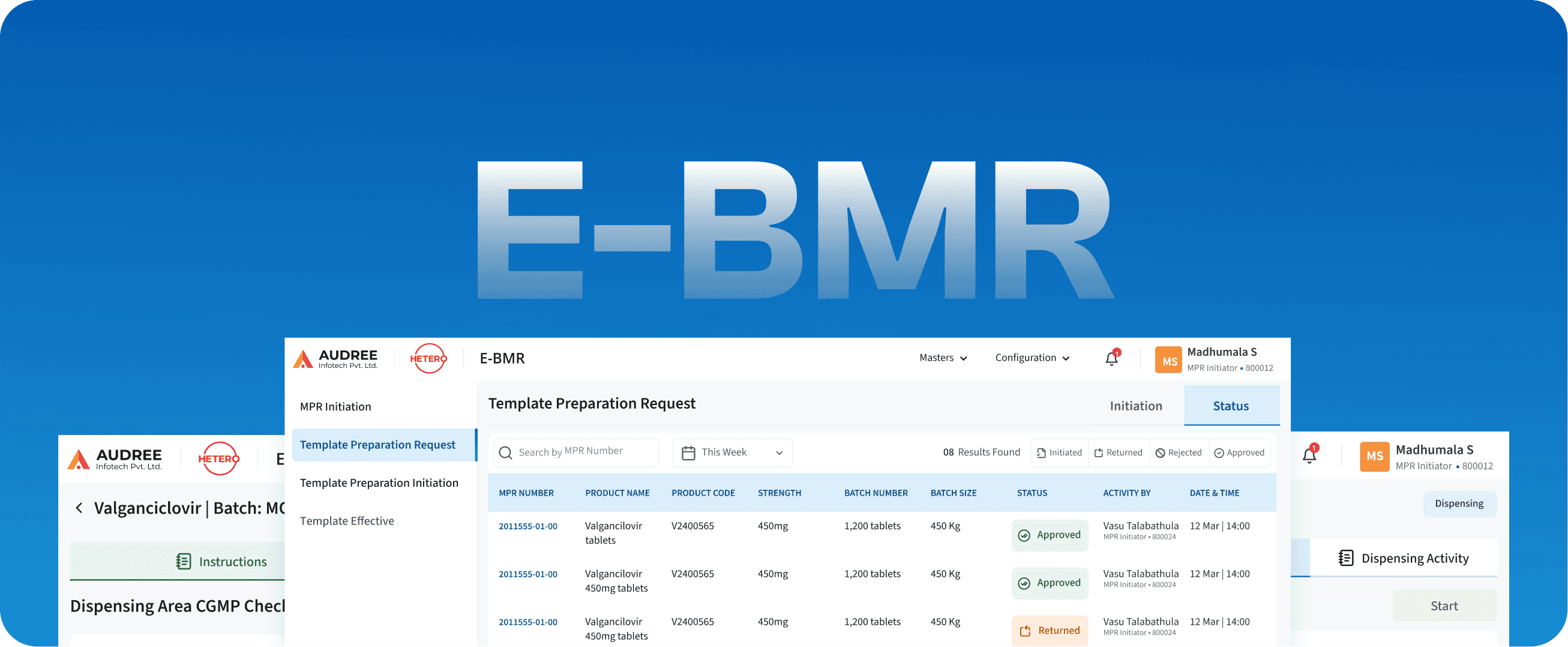
Batch Manufacturing Recall
WMPS
Warehouse Management System
DMS
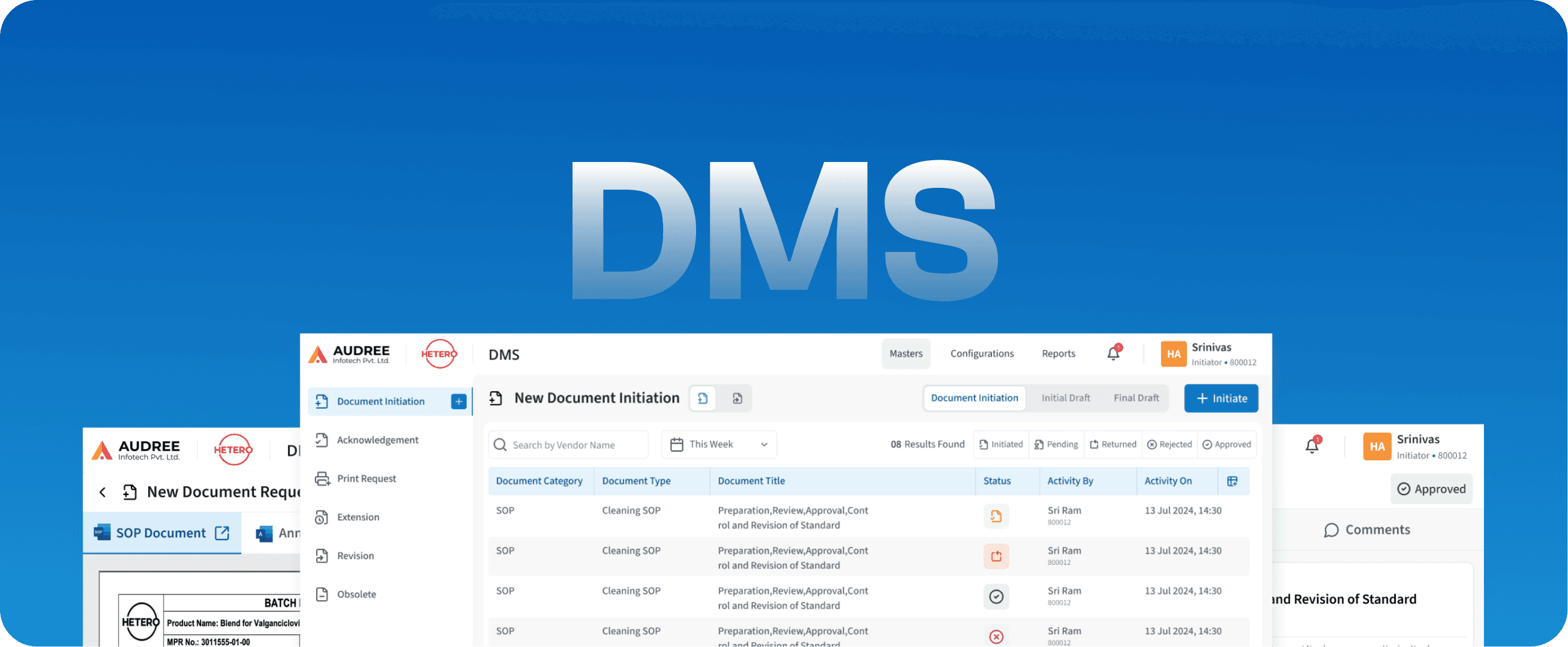
Document Management System
CAPA
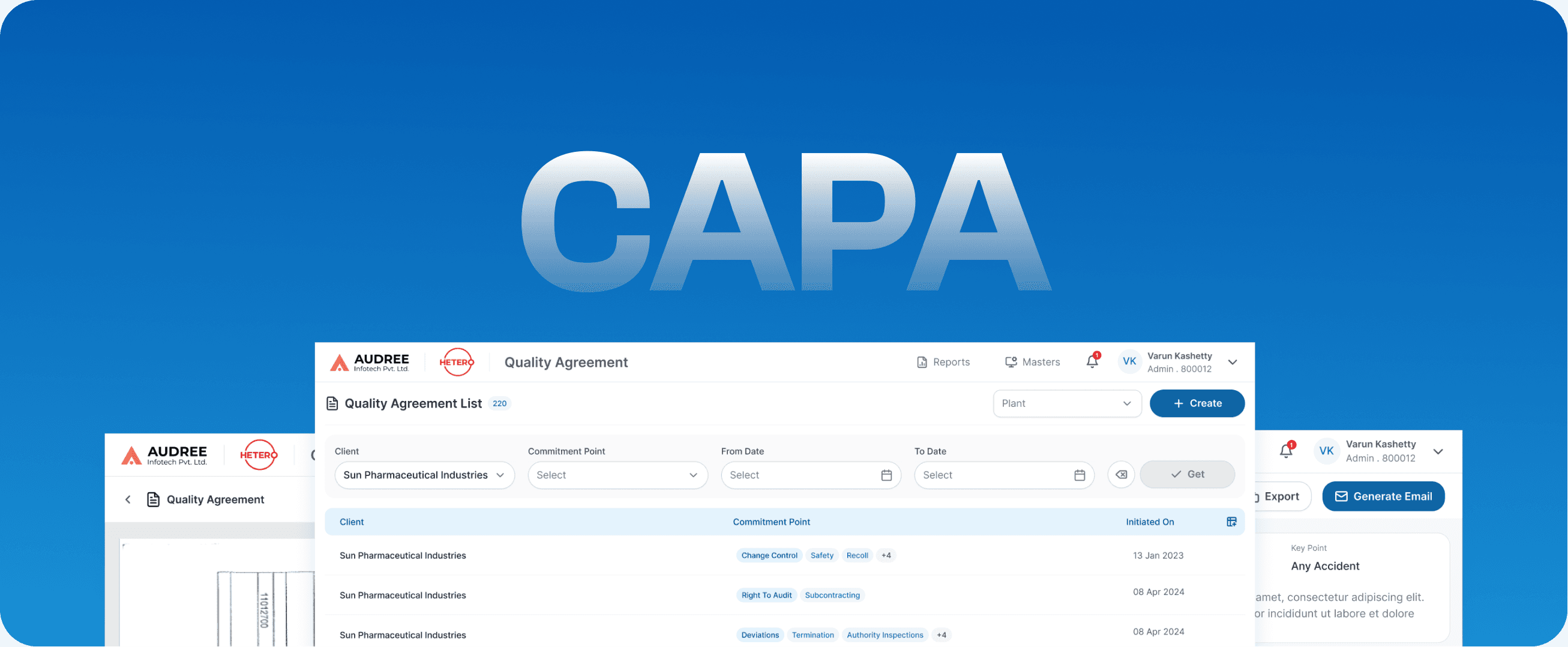
Corrective And Preventive Actions
QAS
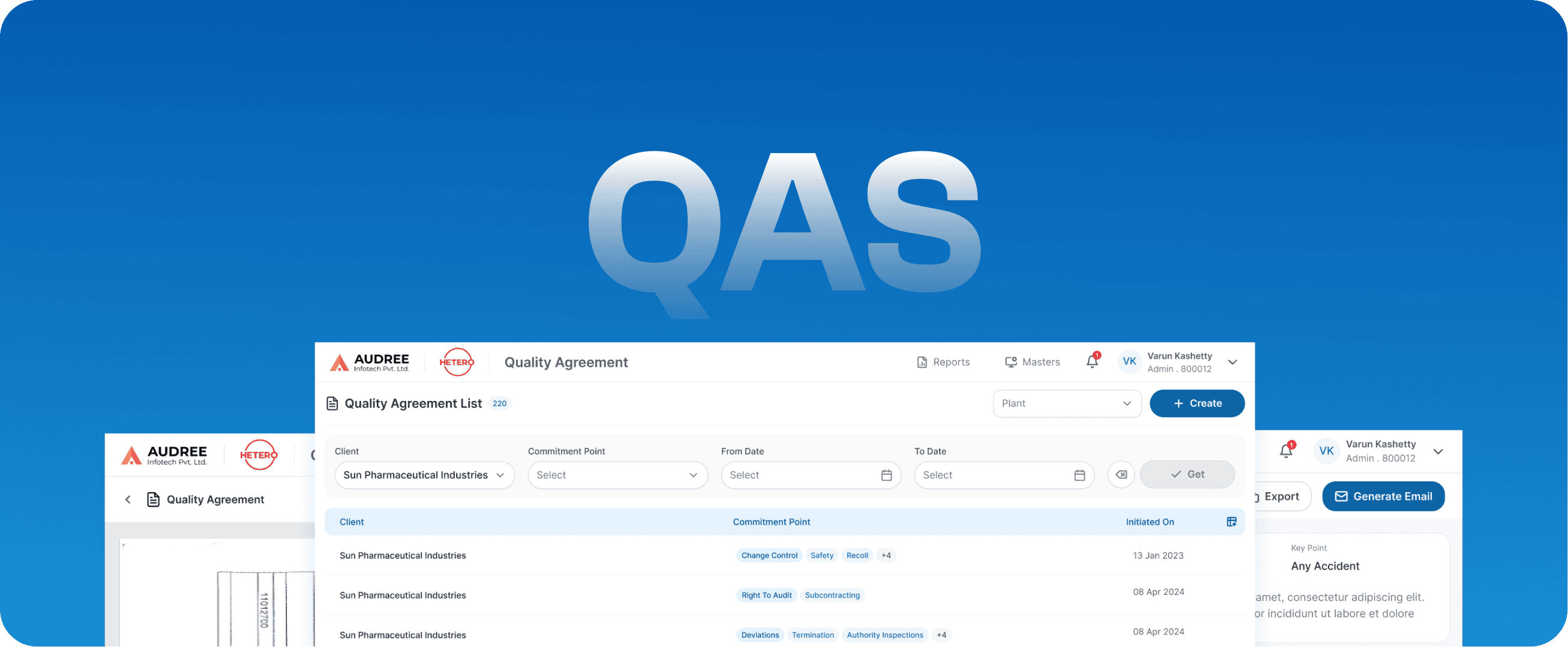
Quality Agreement System
Vendor Portal
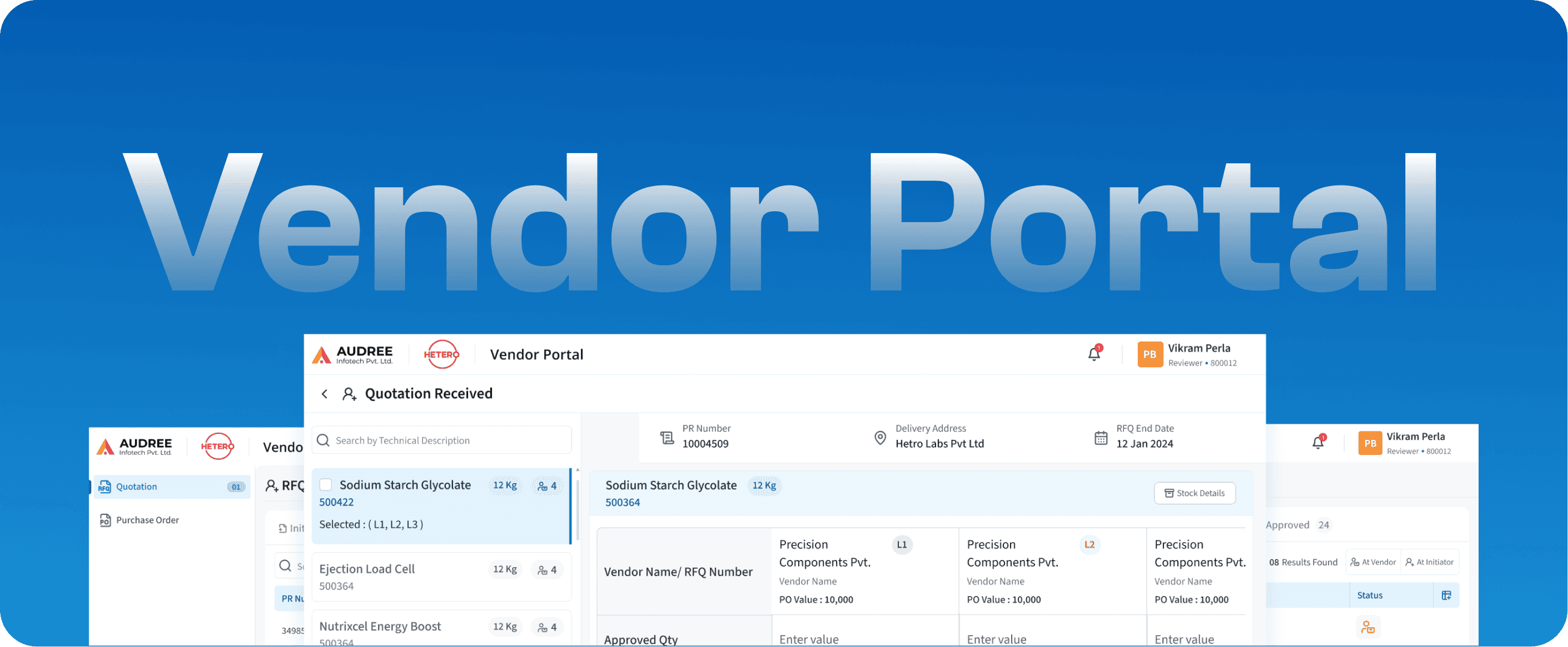
Vendor Management System
LIR-AER
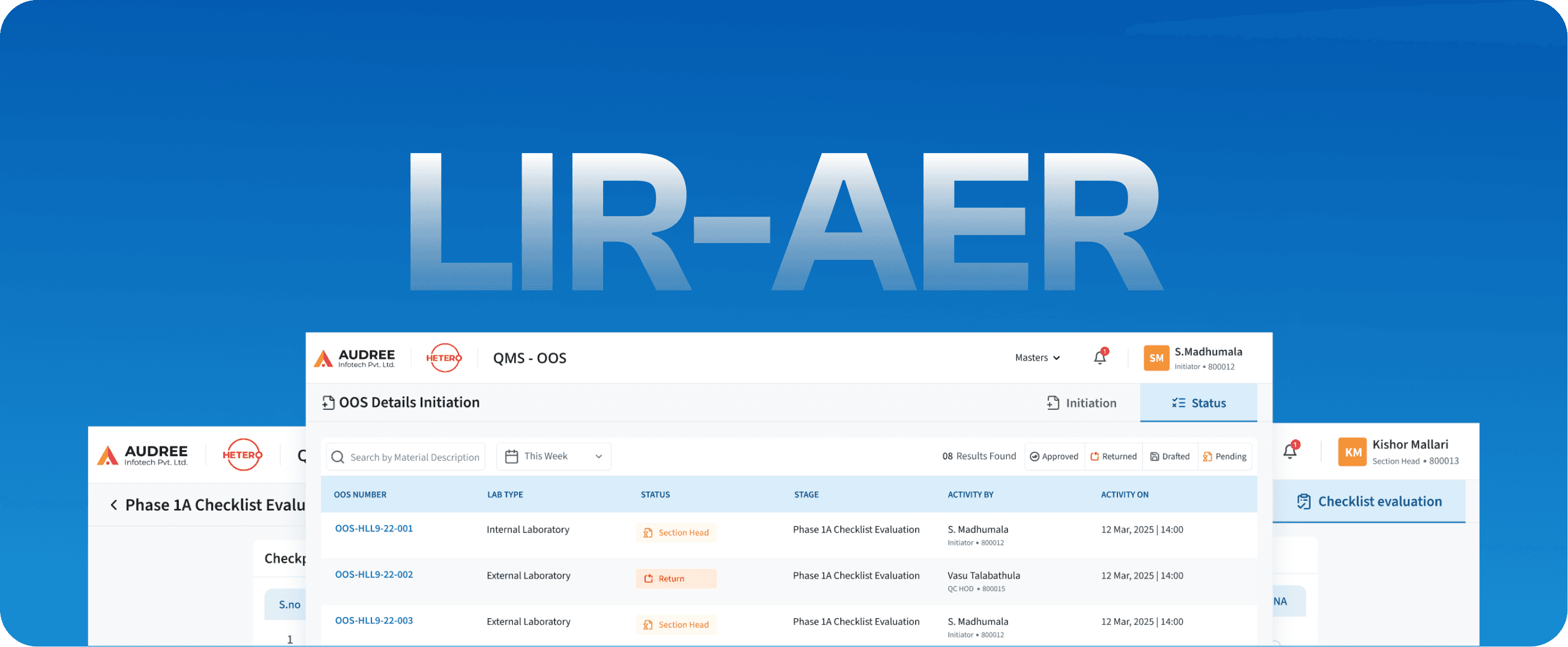
Laboratory Information Record
OOS
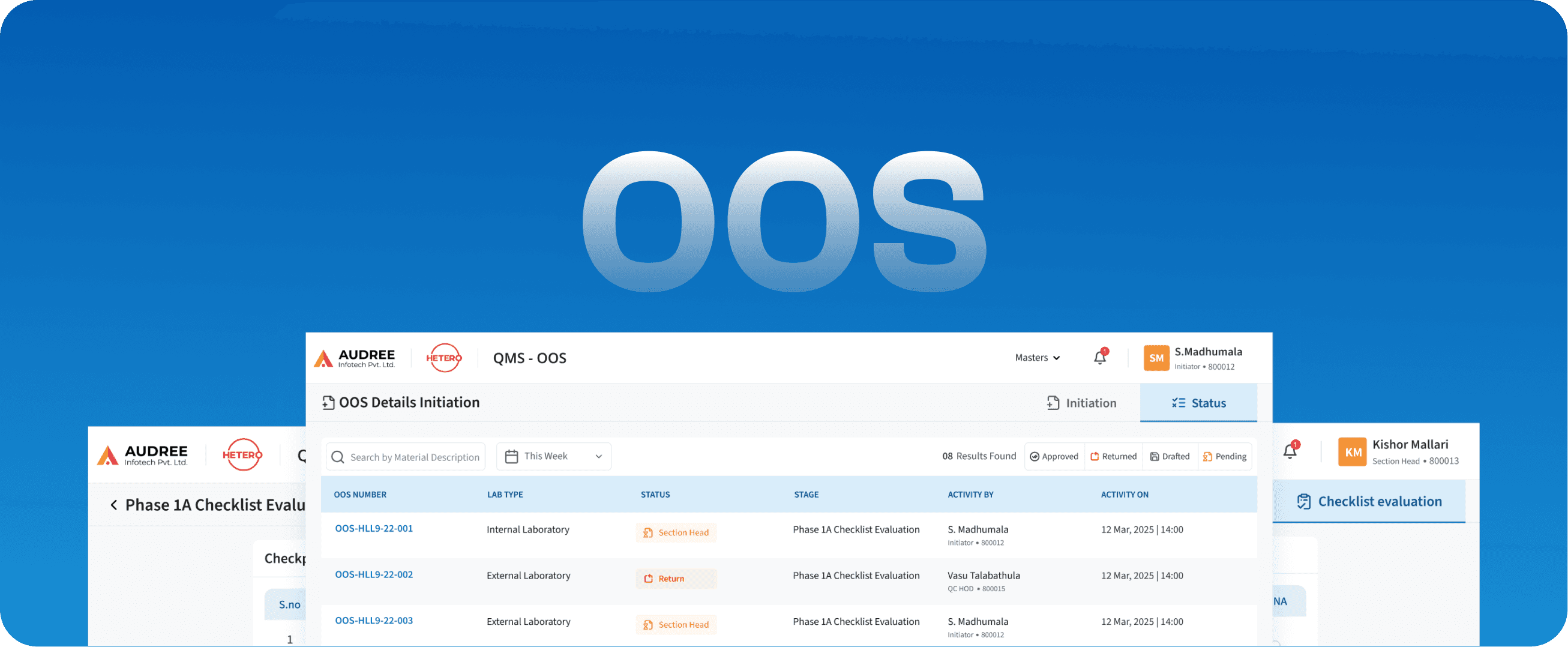
Out Of Specification
CMS
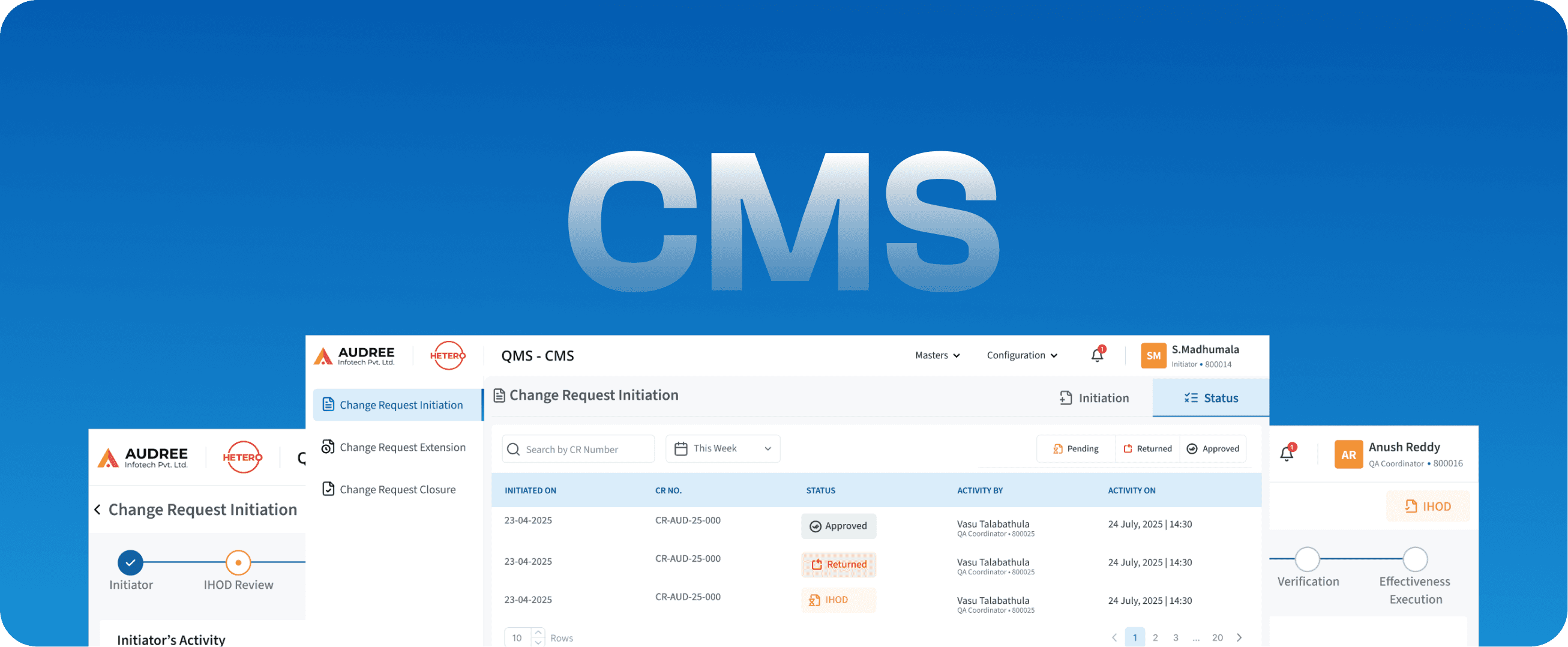
Change Management System
IMS
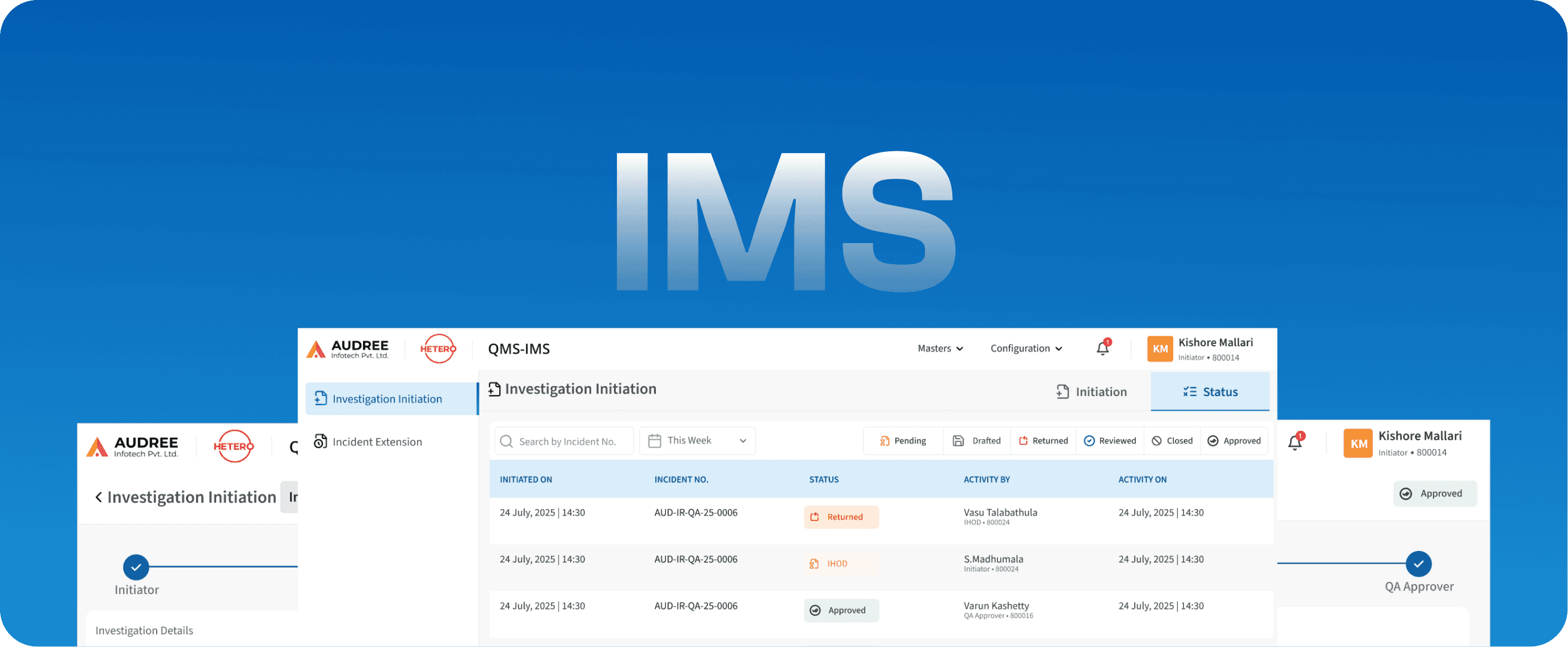
Incident Management System
BRMS-API
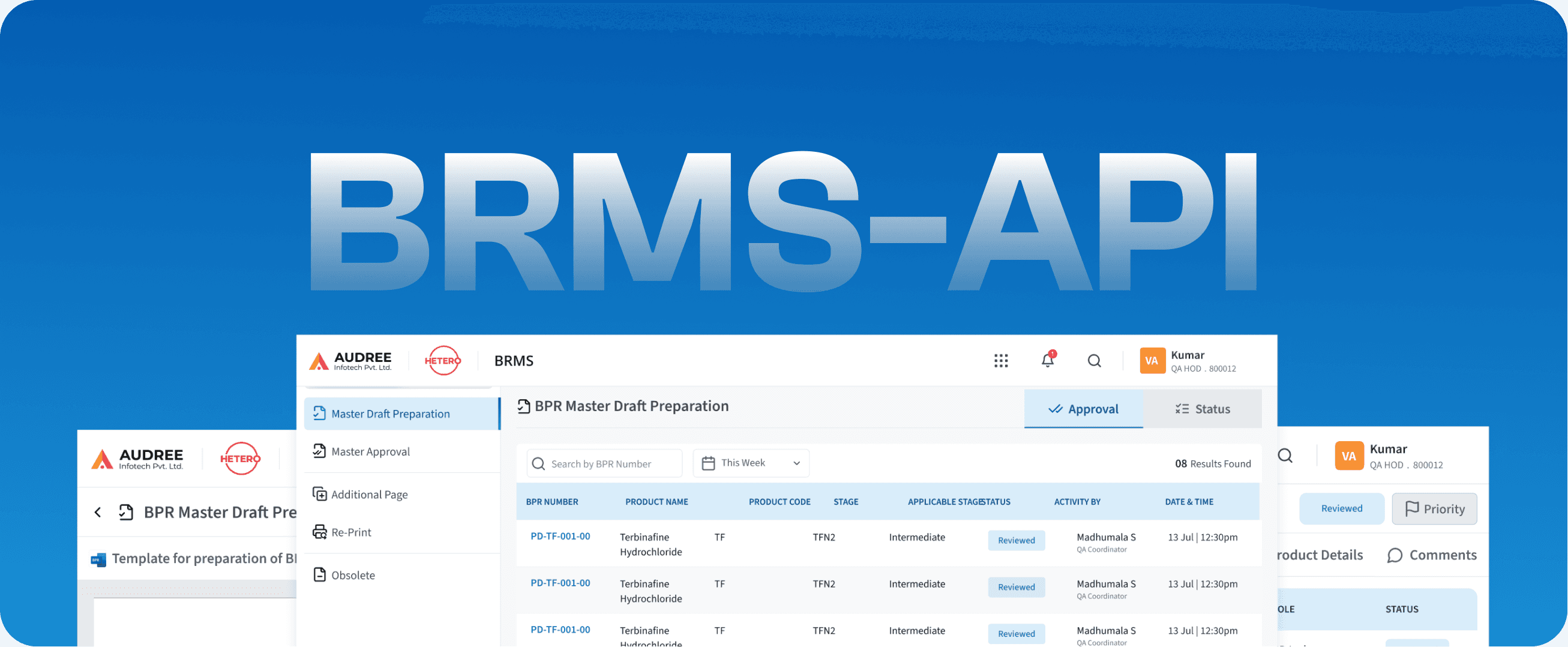
Batch Record- Active Pharmaceutical Ingredient
E-BRMS
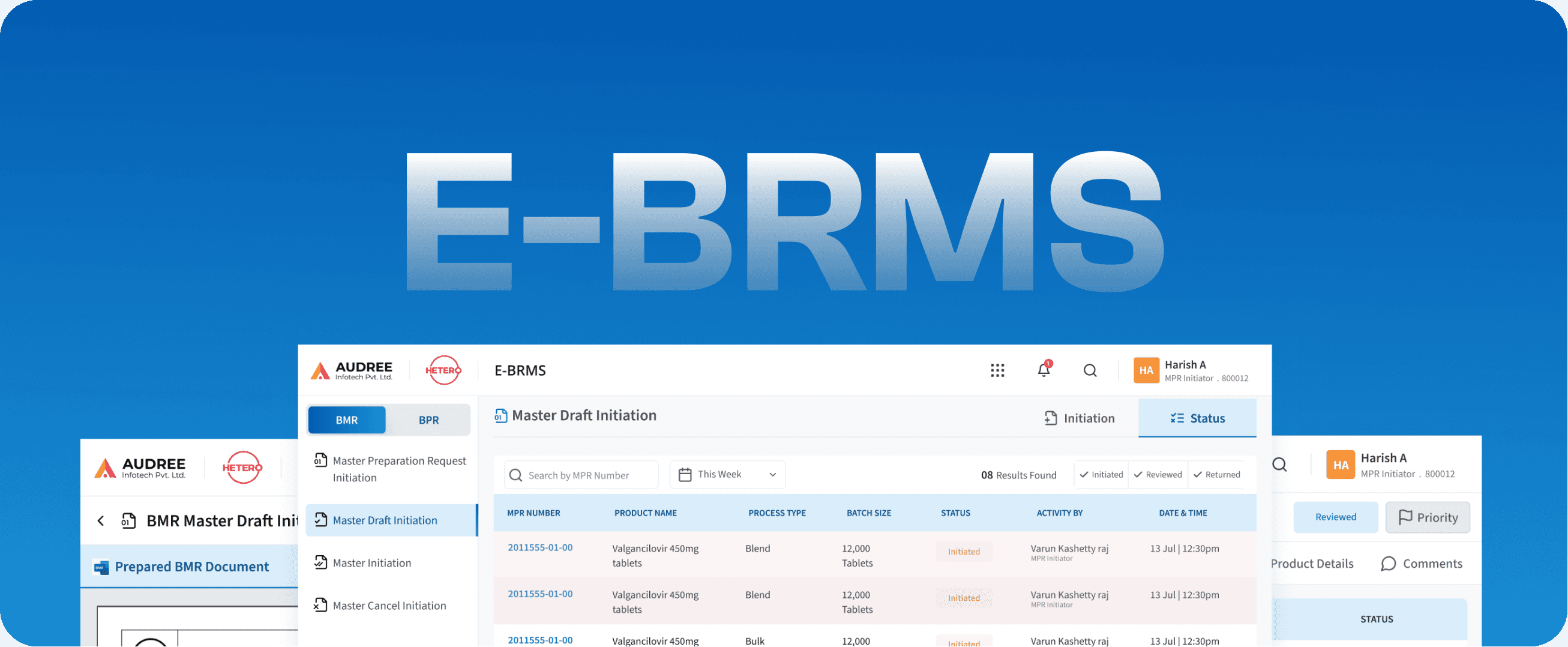
Batch Record Management System
RIMS
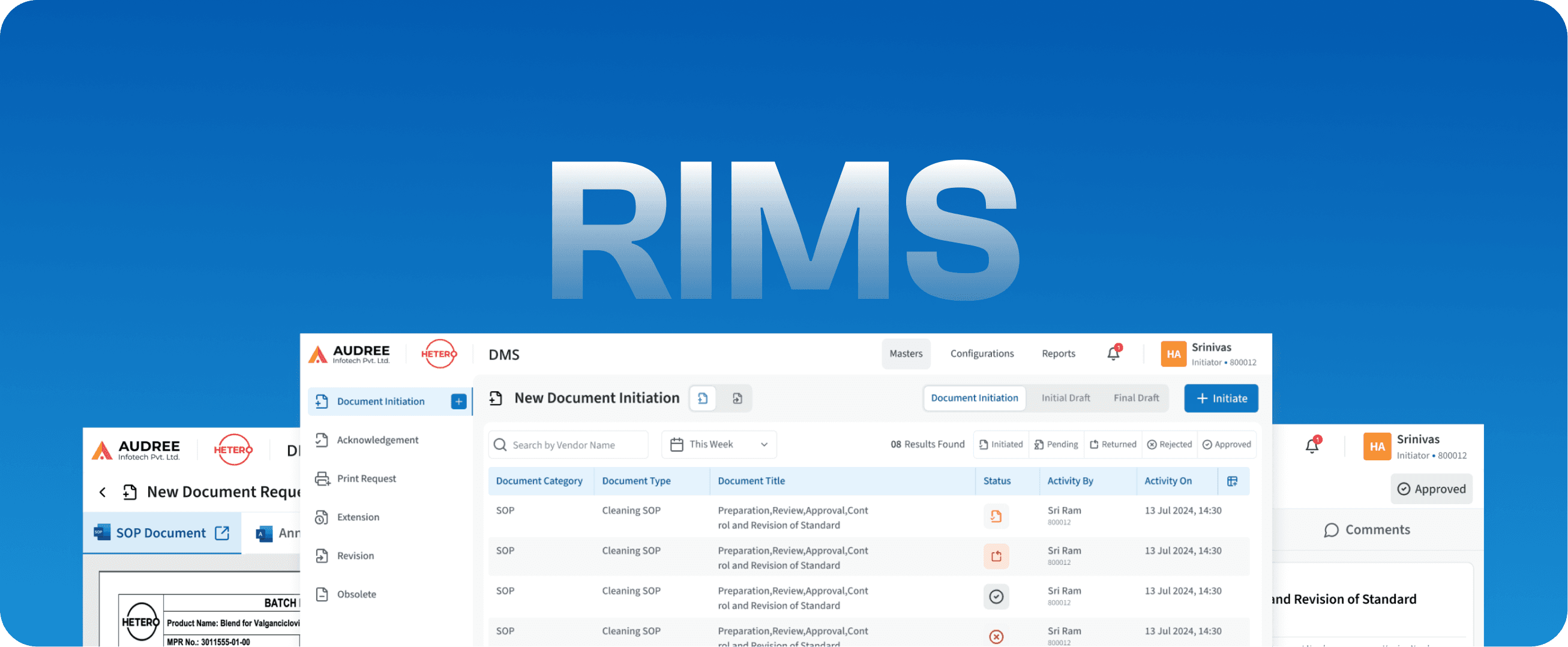
Regulatory Information Management System
APQR
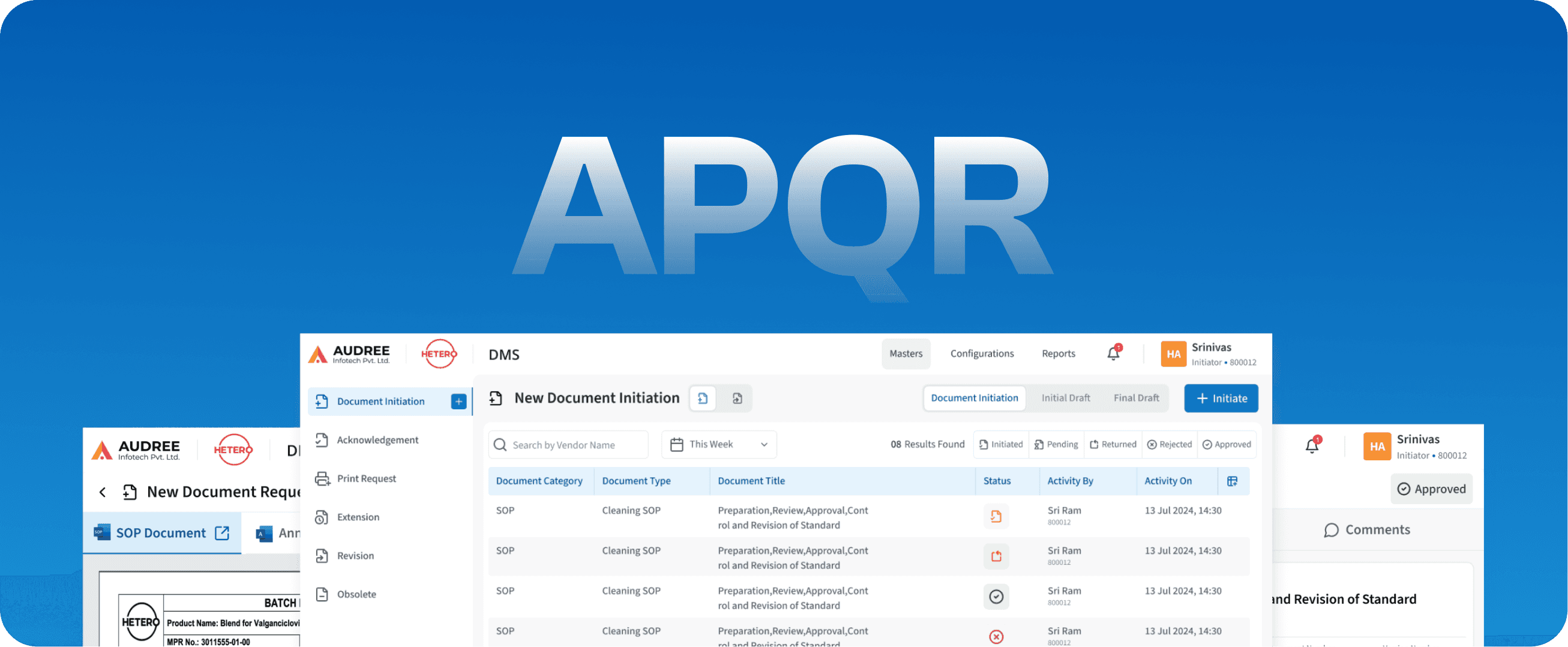
Annual Product Quality Review
RCAI
Root Cause Analysis with Intelligence
LMS
Learning Management System
LIMS
Laboratory Information Management System
S & OP
Sales & Operations Planning
E-BMR
Batch Manufacturing Recall
RIMS
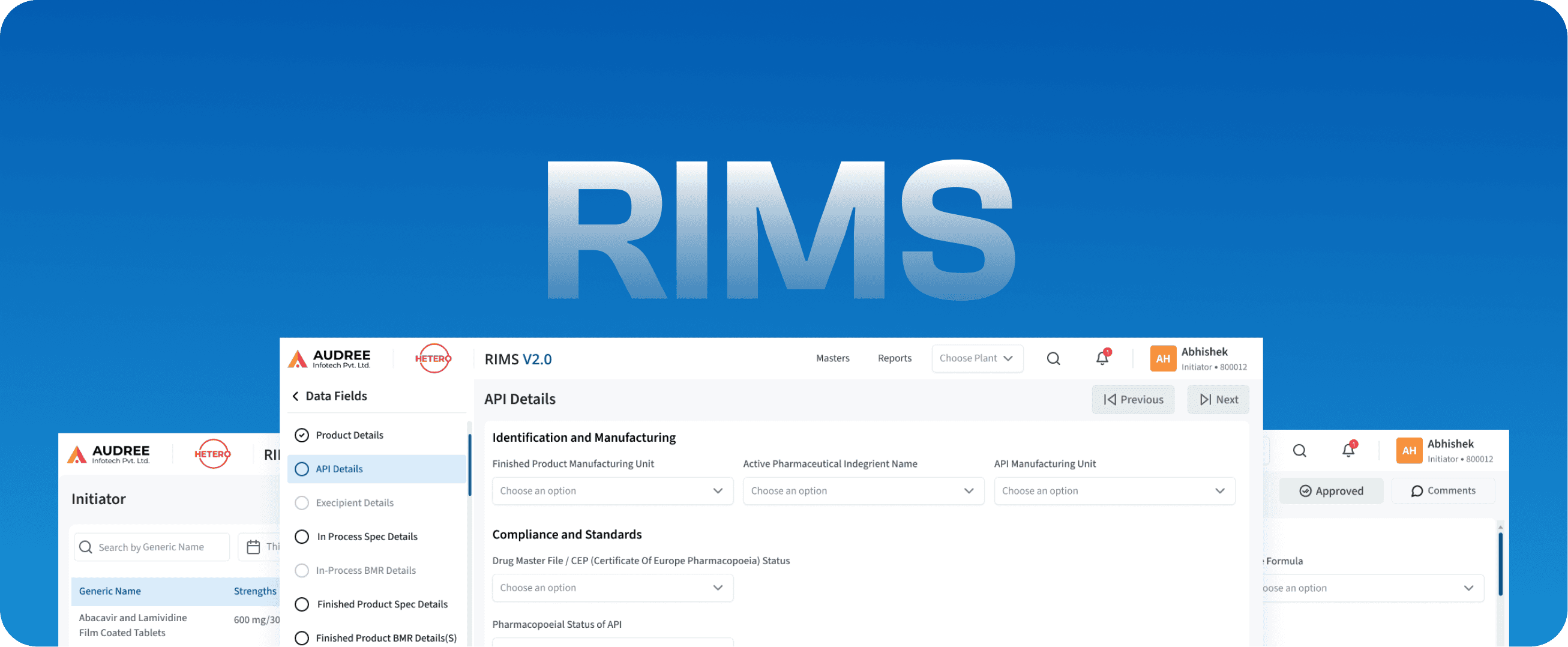
Regulatory Information Management Systems
IMS
Incident Management System
BRMS-API
Batch Record- Active Pharmaceutical Ingredient
E-BRMS
Batch Record Management System
APQR
Annual Product Quality Review
RIMS
Regulatory Information Management System
WMPS
Warehouse Management System
DMS
Document Management System
CMS
Change Management System
OOS
Out Of Specification
LIR-AER
Laboratory Information Record
Vendor Portal
Vendor Management System
QAS
Quality Agreement System
CAPA
Corrective And Preventive Actions