Redesigning LIR & AER into a Structured, Audit-Ready Investigation Workflow
Redesigning LIR & AER into a Structured, Audit-Ready Investigation Workflow
Redesigning LIR & AER into a Structured, Audit-Ready Investigation Workflow
About Project
About Project
About Project
Laboratory Incident Reports (LIR) and Adverse Event Reports (AER) are critical for regulatory compliance and quality assurance in pharma.
However, the existing systems were fragmented, manual, and difficult to track leading to delays, repeated follow-ups, and compliance risk.
Seeing these inefficiencies and inspired by the success of other redesigned QMS modules (OOS, IMS), Audree initiated a redesign of the LIR and AER modules to replace fragmented, manual processes with a structured, guided digital workflow aligned with real pharma investigation practices.
Laboratory Incident Reports (LIR) and Adverse Event Reports (AER) are critical for regulatory compliance and quality assurance in pharma.
However, the existing systems were fragmented, manual, and difficult to track leading to delays, repeated follow-ups, and compliance risk.
Seeing these inefficiencies and inspired by the success of other redesigned QMS modules (OOS, IMS), Audree initiated a redesign of the LIR and AER modules to replace fragmented, manual processes with a structured, guided digital workflow aligned with real pharma investigation practices.
About Project
Pharmaceutical
Team
Anush Reddy, S.Madhumala
Subscription Category
Quick win
Project start Year
August 2025
Core Business Challenges
Core Business Challenges
Core Business Challenges
Poor User Adoption Due to Outdated Experience
Poor User Adoption Due to Outdated Experience
Poor User Adoption Due to Outdated Experience
Cluttered screens and manual data entry made reporting difficult, pushing users to bypass the system and rely on emails or offline tracking.
Cluttered screens and manual data entry made reporting difficult, pushing users to bypass the system and rely on emails or offline tracking.
Cluttered screens and manual data entry made reporting difficult, pushing users to bypass the system and rely on emails or offline tracking.
Slowed by Process Inefficiency
Slowed by Process Inefficiency
Slowed by Process Inefficiency
Unclear steps and scattered screens made change requests hard to navigate, slowing assessments and delaying approvals.
Unclear steps and scattered screens made change requests hard to navigate, slowing assessments and delaying approvals.
Unclear steps and scattered screens made change requests hard to navigate, slowing assessments and delaying approvals.
Heavy Dependence on Manual Coordination
Heavy Dependence on Manual Coordination
Lack of clear status visibility forced teams to depend on calls and follow-ups, increasing delays and operational overhead.
Lack of clear status visibility forced teams to depend on calls and follow-ups, increasing delays and operational overhead.
Heavy Dependence on Manual Coordination
Lack of clear status visibility forced teams to depend on calls and follow-ups, increasing delays and operational overhead.
Our Approach
Our Approach
Our Approach
Mapping User Flows to Uncover Hidden Gaps
We mapped the complete LIR & AER lifecycle—from event initiation and investigation to assessment, review, and closure. This helped uncover fragmented steps, repeated data entry, missing investigation context, and unclear handoffs between laboratory, QA, and compliance teams.
Mapping User Flows to Uncover Hidden Gaps
We mapped the complete LIR & AER lifecycle—from event initiation and investigation to assessment, review, and closure. This helped uncover fragmented steps, repeated data entry, missing investigation context, and unclear handoffs between laboratory, QA, and compliance teams.
Mapping User Flows to Uncover Hidden Gaps
We mapped the complete LIR & AER lifecycle—from event initiation and investigation to assessment, review, and closure. This helped uncover fragmented steps, repeated data entry, missing investigation context, and unclear handoffs between laboratory, QA, and compliance teams.
Designing LIR & AER Into a Structured Investigation Workflow
Designing LIR & AER Into a Structured Investigation Workflow
Designing LIR & AER Into a Structured Investigation Workflow
We transformed LIR and AER from fragmented, manual reporting into a guided, role-based workflow. Clear stages, structured inputs, and unified screens improved visibility, reduced follow-ups, and enabled faster, audit-ready investigations across teams.
We transformed LIR and AER from fragmented, manual reporting into a guided, role-based workflow. Clear stages, structured inputs, and unified screens improved visibility, reduced follow-ups, and enabled faster, audit-ready investigations across teams.
Simplified Event Initiation for Accurate Event Reporting
Simplified Event Initiation for Accurate Event Reporting
Simplified Event Initiation for Accurate Event Reporting
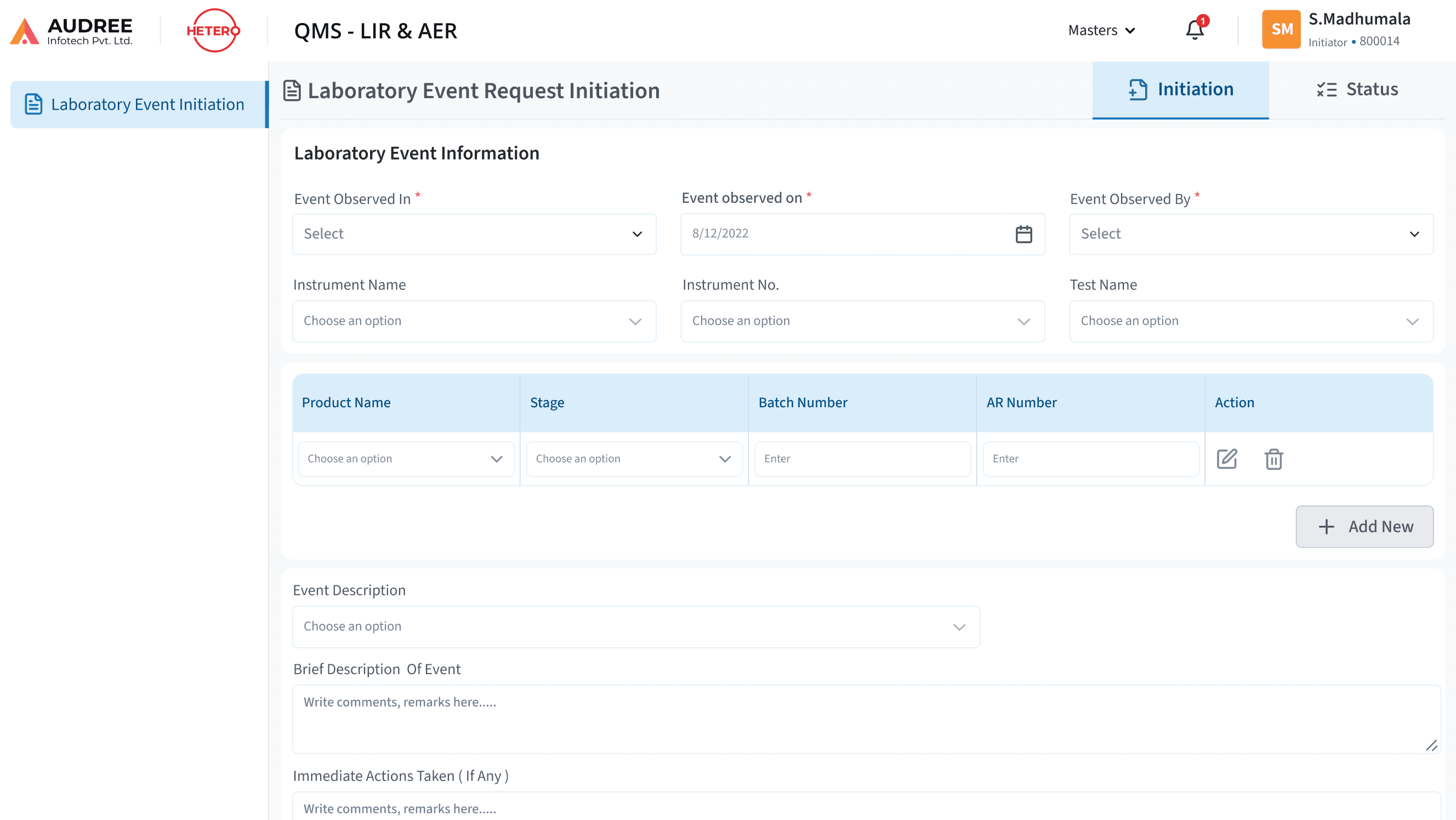
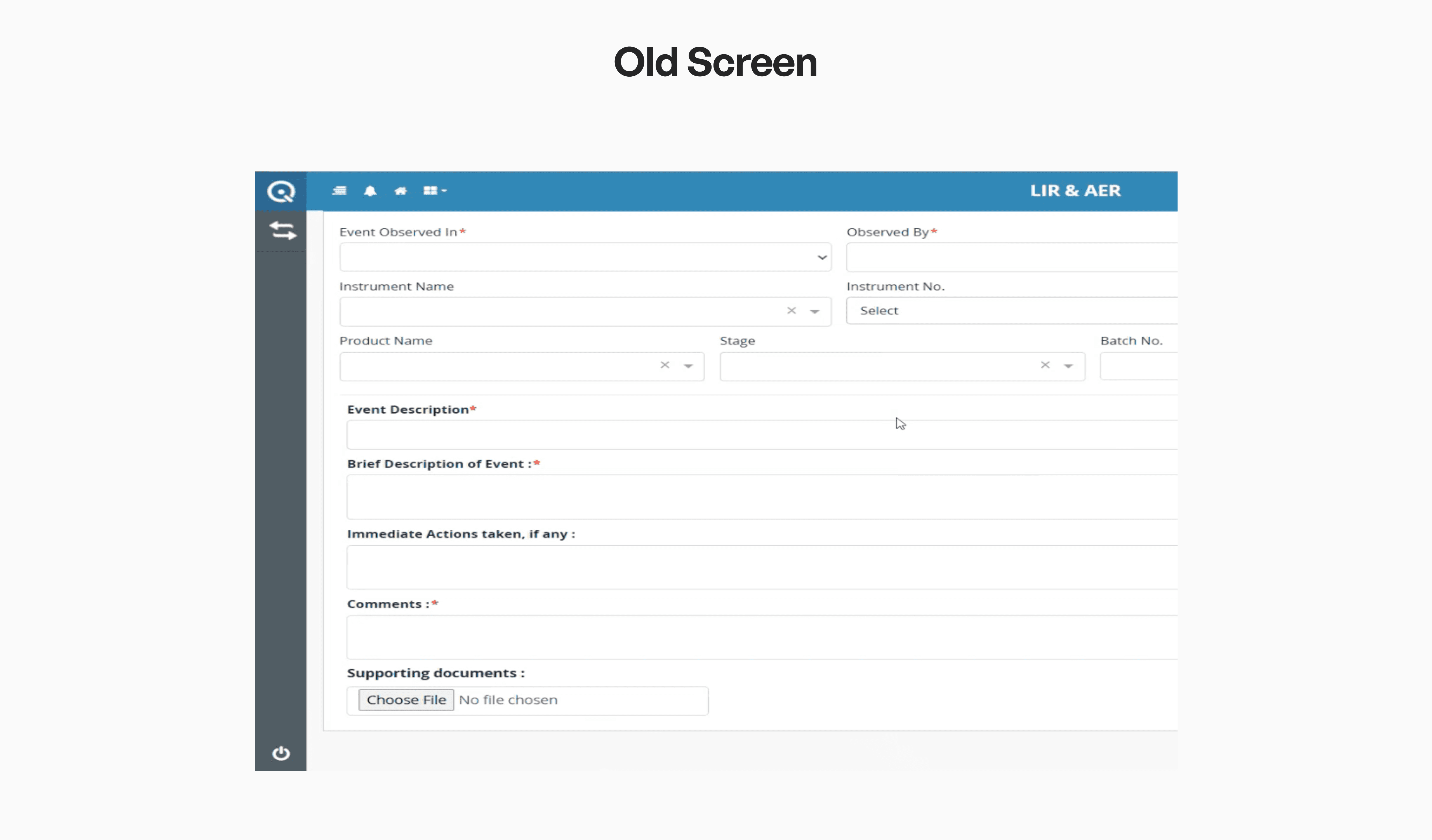
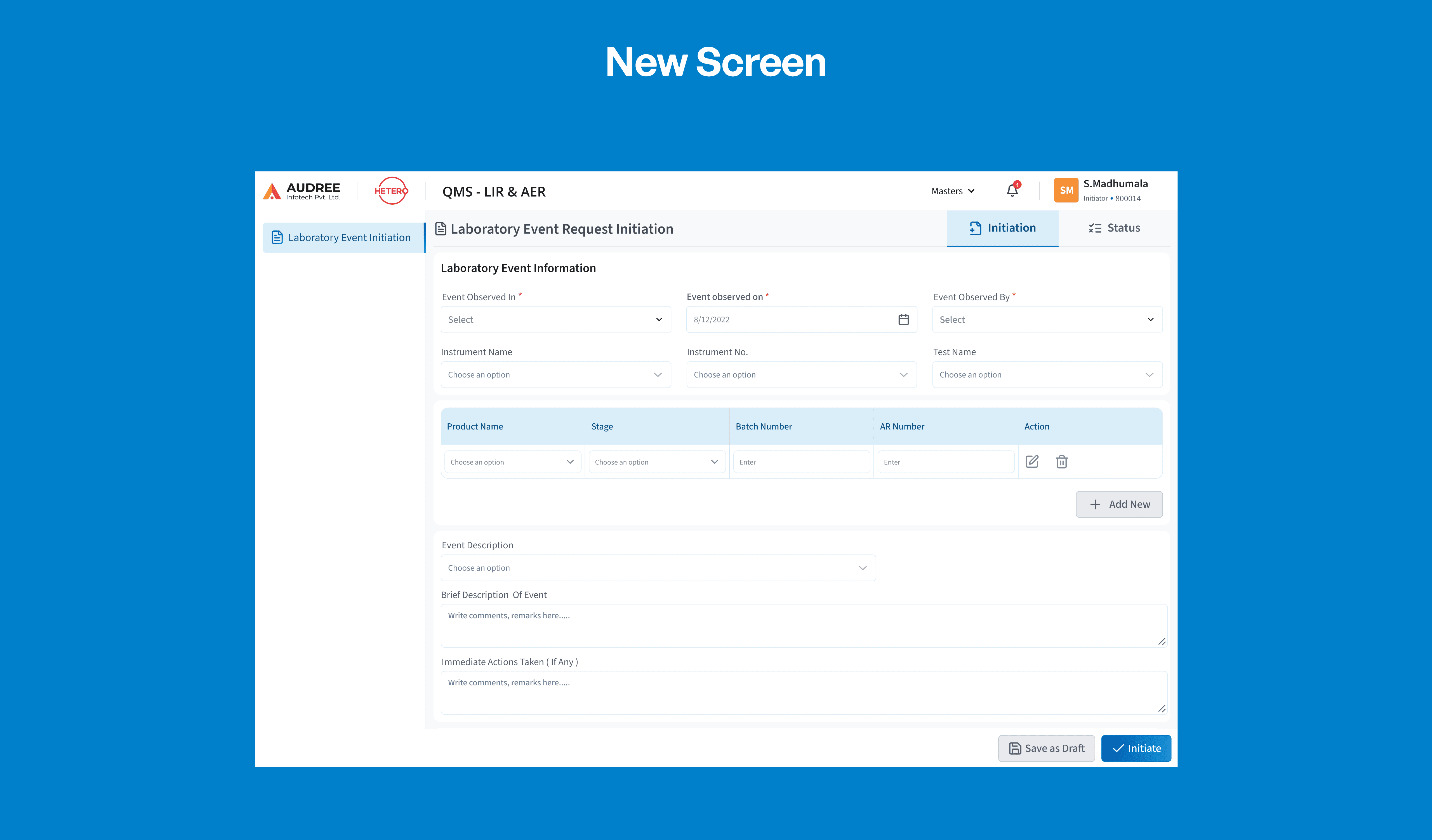
We redesigned the Laboratory Event initiation flow to match how laboratory teams actually report incidents and events. Earlier, unclear fields and scattered inputs led to incomplete submissions and repeated clarifications.
The new guided digital form uses structured sections, smart validations, and grouped inputs to capture all critical details upfront ensuring accurate event reporting.
We redesigned the Laboratory Event initiation flow to match how laboratory teams actually report incidents and events. Earlier, unclear fields and scattered inputs led to incomplete submissions and repeated clarifications.
The new guided digital form uses structured sections, smart validations, and grouped inputs to capture all critical details upfront ensuring accurate event reporting.
We redesigned the Laboratory Event initiation flow to match how laboratory teams actually report incidents and events. Earlier, unclear fields and scattered inputs led to incomplete submissions and repeated clarifications.
The new guided digital form uses structured sections, smart validations, and grouped inputs to capture all critical details upfront ensuring accurate event reporting.
Structured Review for LIR & AER Progression
Structured Review for LIR & AER Progression
Structured Review for LIR & AER Progression
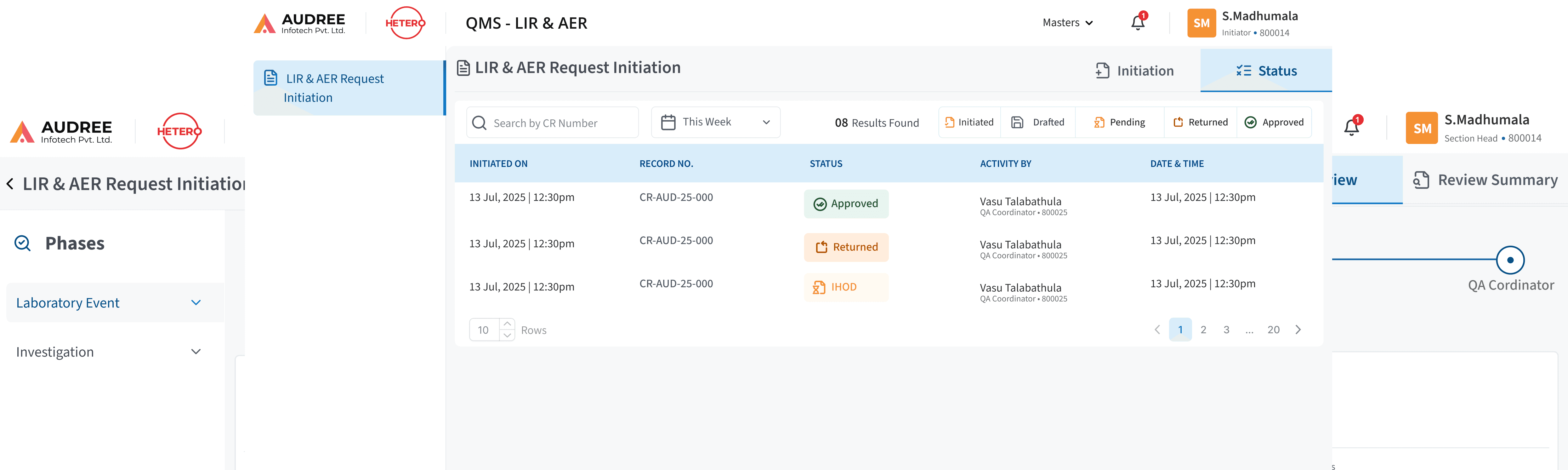
We introduced a dedicated side navigation to clearly separate Laboratory Event and Investigation phases. This allows users to move between stages effortlessly without losing context.
Each role can instantly see what has been completed, what evidence is attached, and what actions are pending. This clear segregation and visibility reduced confusion, review delays, and unnecessary follow-ups during investigations.
We introduced a dedicated side navigation to clearly separate Laboratory Event and Investigation phases. This allows users to move between stages effortlessly without losing context.
Each role can instantly see what has been completed, what evidence is attached, and what actions are pending. This clear segregation and visibility reduced confusion, review delays, and unnecessary follow-ups during investigations.
We introduced a dedicated side navigation to clearly separate Laboratory Event and Investigation phases. This allows users to move between stages effortlessly without losing context.
Each role can instantly see what has been completed, what evidence is attached, and what actions are pending. This clear segregation and visibility reduced confusion, review delays, and unnecessary follow-ups during investigations.
Clear Visual Summaries for Confident Decisions
Clear Visual Summaries for Confident Decisions
Clear Visual Summaries for Confident Decisions
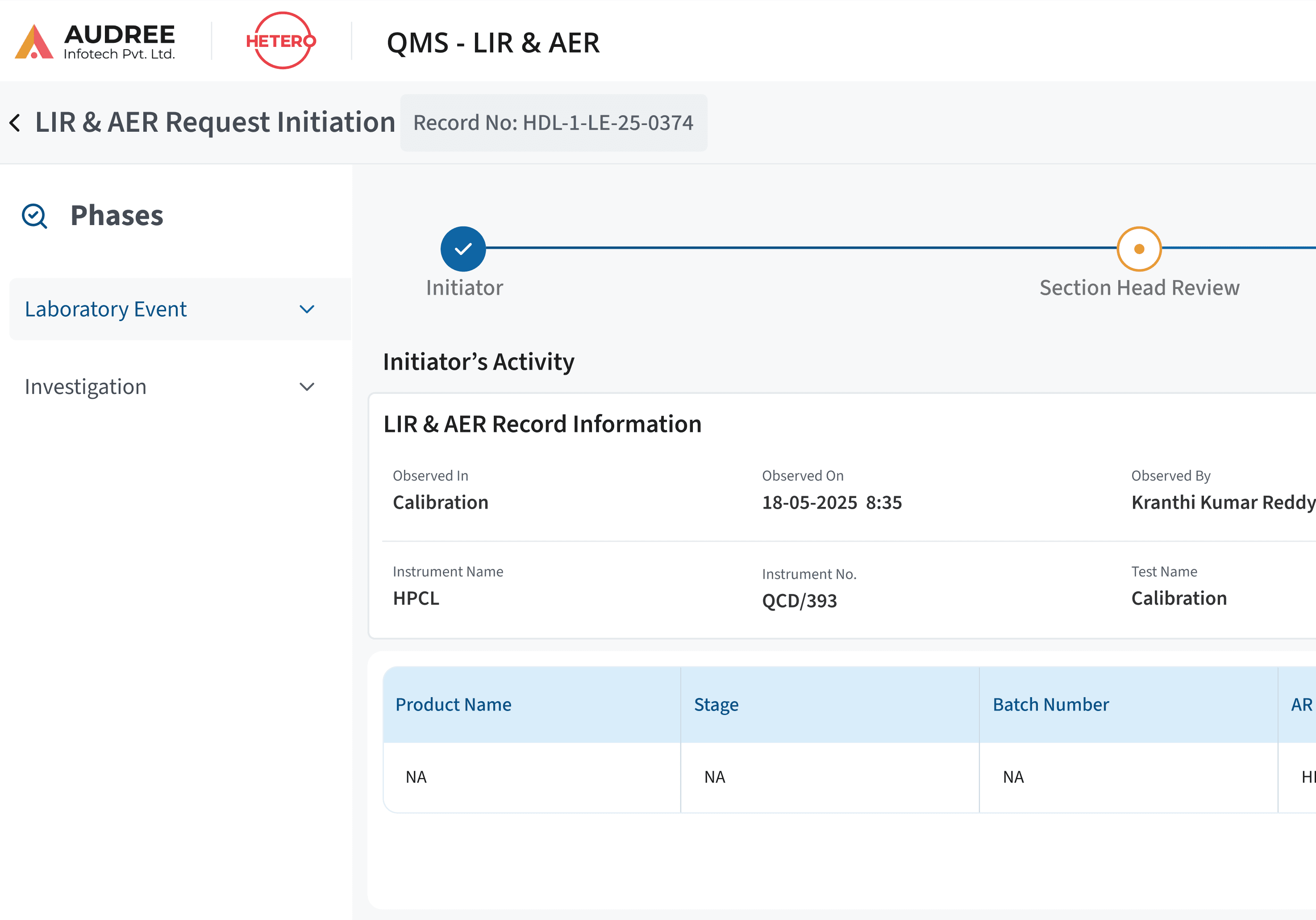
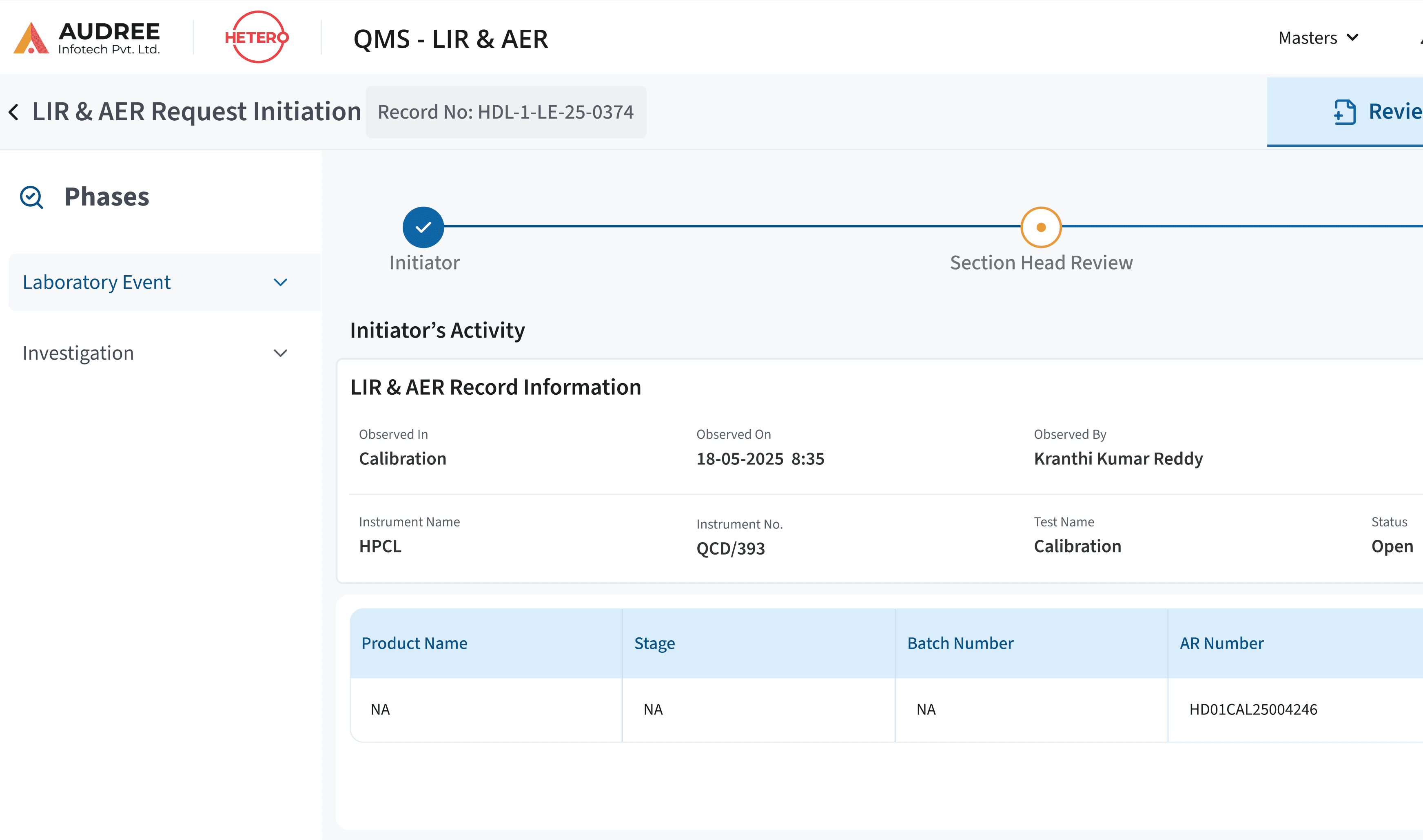
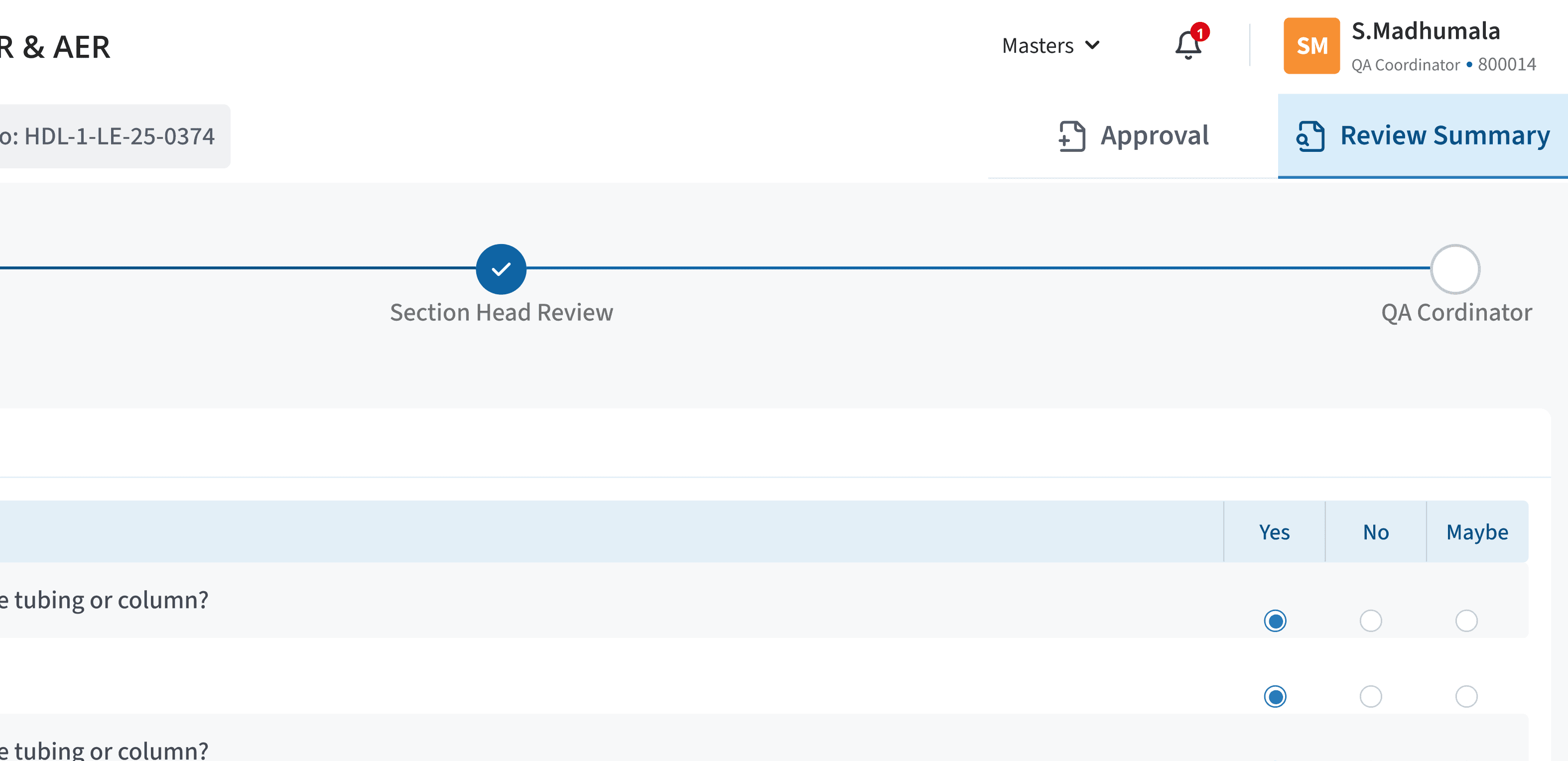
We introduced a dedicated Review Summary view that brings all critical information into one place. Impact assessments, key responses, approvals, and linked details are visually grouped for quick scanning.
Approvers can now understand the full context of an LIR or AER at a glance, make decisions faster, and proceed without navigating multiple screens or requesting clarifications.
We introduced a dedicated Review Summary view that brings all critical information into one place. Impact assessments, key responses, approvals, and linked details are visually grouped for quick scanning.
Approvers can now understand the full context of an LIR or AER at a glance, make decisions faster, and proceed without navigating multiple screens or requesting clarifications.
We introduced a dedicated Review Summary view that brings all critical information into one place. Impact assessments, key responses, approvals, and linked details are visually grouped for quick scanning.
Approvers can now understand the full context of an LIR or AER at a glance, make decisions faster, and proceed without navigating multiple screens or requesting clarifications.
A Cleaner UI for Faster, Confident Decisions
A Cleaner UI for Faster, Confident Decisions
A Cleaner UI for Faster, Confident Decisions
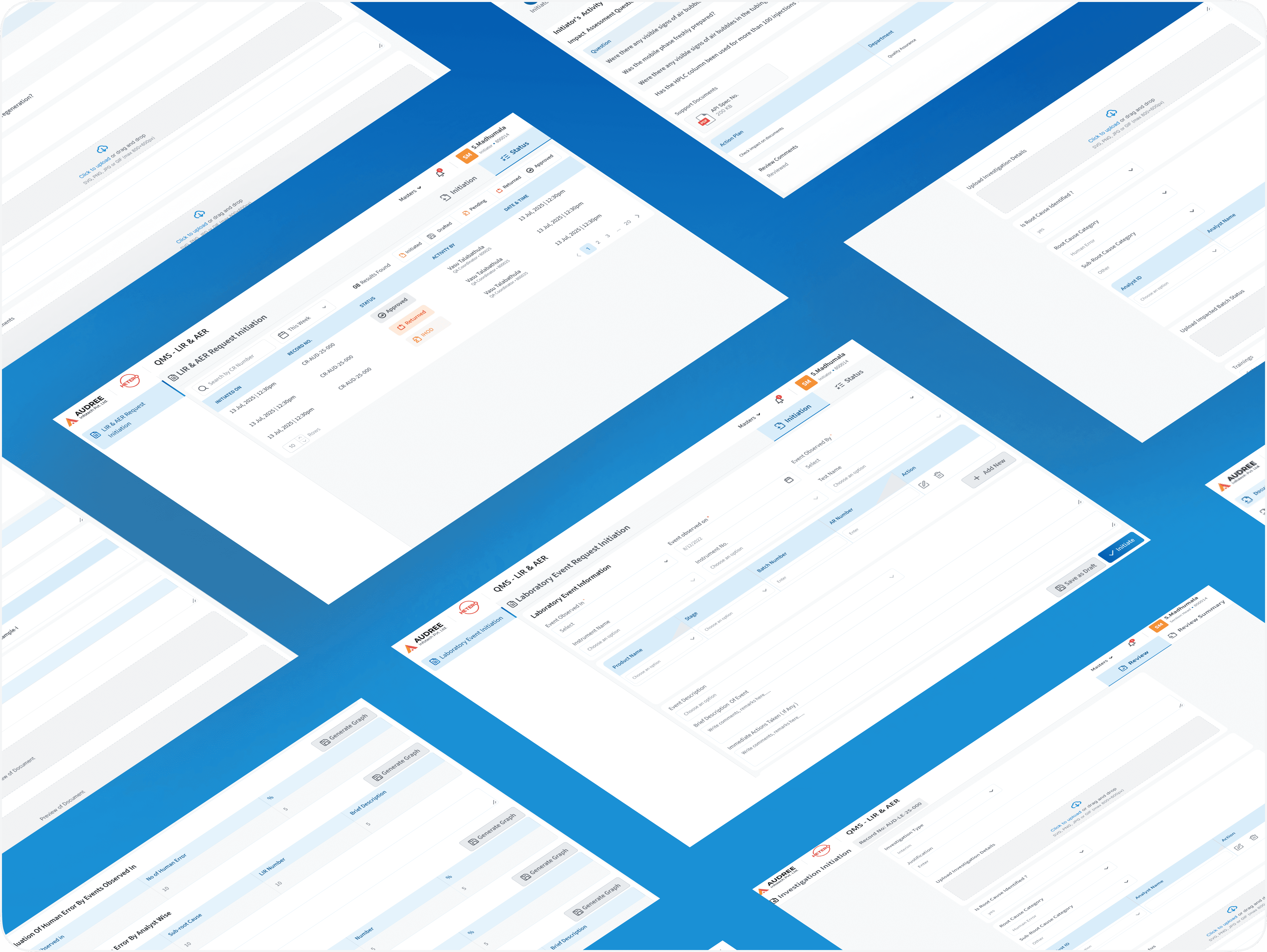
The redesigned UI brings clarity to every stage. Structured layouts, consistent data fields, and clear visual cues guide users smoothly through the workflow without confusion or backtracking
The redesigned UI brings clarity to every stage. Structured layouts, consistent data fields, and clear visual cues guide users smoothly through the workflow without confusion or backtracking
Results That Redefined LIR & AER Investigation Lifecycle
Results That Redefined LIR & AER Investigation Lifecycle
Results That Redefined LIR & AER Investigation Lifecycle
Clearer workflows, phase-wise investigations, and guided role-based actions transformed how laboratory incidents and adverse events are reported, reviewed, and closed.
Clearer workflows, phase-wise investigations, and guided role-based actions transformed how laboratory incidents and adverse events are reported, reviewed, and closed.

Stronger Compliance & Traceability
Stronger Compliance & Traceability
Stronger Compliance & Traceability
Real-time visibility, structured phase-wise documentation, and controlled inputs ensured every incident detail, assessment, and action was captured accurately. This reduced compliance gaps, strengthened audit readiness.
Real-time visibility, structured phase-wise documentation, and controlled inputs ensured every incident detail, assessment, and action was captured accurately. This reduced compliance gaps, strengthened audit readiness.
Real-time visibility, structured phase-wise documentation, and controlled inputs ensured every incident detail, assessment, and action was captured accurately. This reduced compliance gaps, strengthened audit readiness.

Faster API Batch Execution
Guided digital steps replaced scattered documents and manual coordination, enabling faster reporting, investigation, and approvals with clear instructions and linked evidence.

Fewer Support Tickets
Unified screens, clear status visibility, and a continuous investigation flow eliminated confusion and backtracking. All updates are visible in one place, reducing follow-ups and dependency on support teams.
Faster API Batch Execution
Faster API Batch Execution
Guided digital steps replaced scattered documents and manual coordination, enabling faster reporting, investigation, and approvals with clear instructions and linked evidence.
Guided digital steps replaced scattered documents and manual coordination, enabling faster reporting, investigation, and approvals with clear instructions and linked evidence.
Fewer Support Tickets
Fewer Support Tickets
Unified screens, clear status visibility, and a continuous investigation flow eliminated confusion and backtracking. All updates are visible in one place, reducing follow-ups and dependency on support teams.
Unified screens, clear status visibility, and a continuous investigation flow eliminated confusion and backtracking. All updates are visible in one place, reducing follow-ups and dependency on support teams.
Deep-Dive Into More System
Deep-Dive Into More System
Deep-Dive Into More System
Browse every optimised Software and explore how legacy systems became intuitive.
Browse every optimised Software and explore how legacy systems became intuitive.
Browse every optimised Software and explore how legacy systems became intuitive.
RCAI
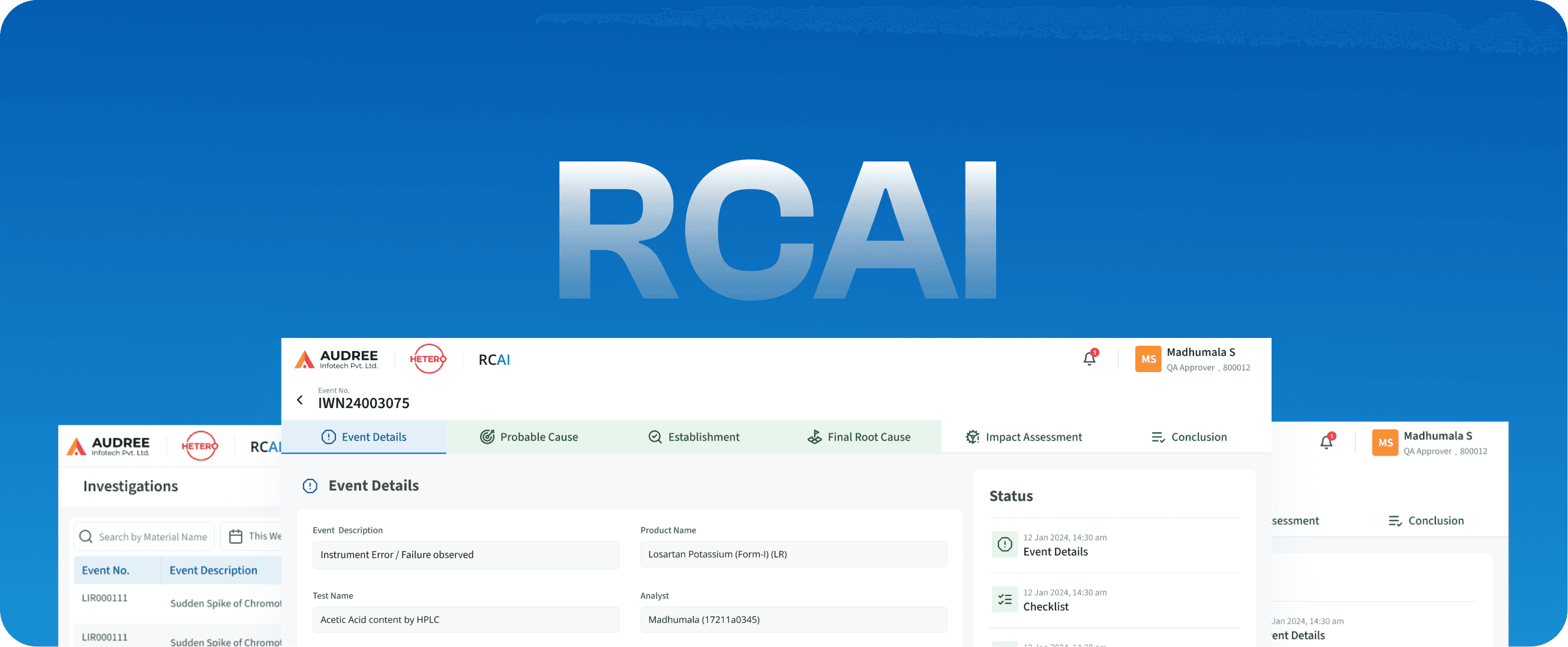
Root Cause Analysis with Intelligence
LMS
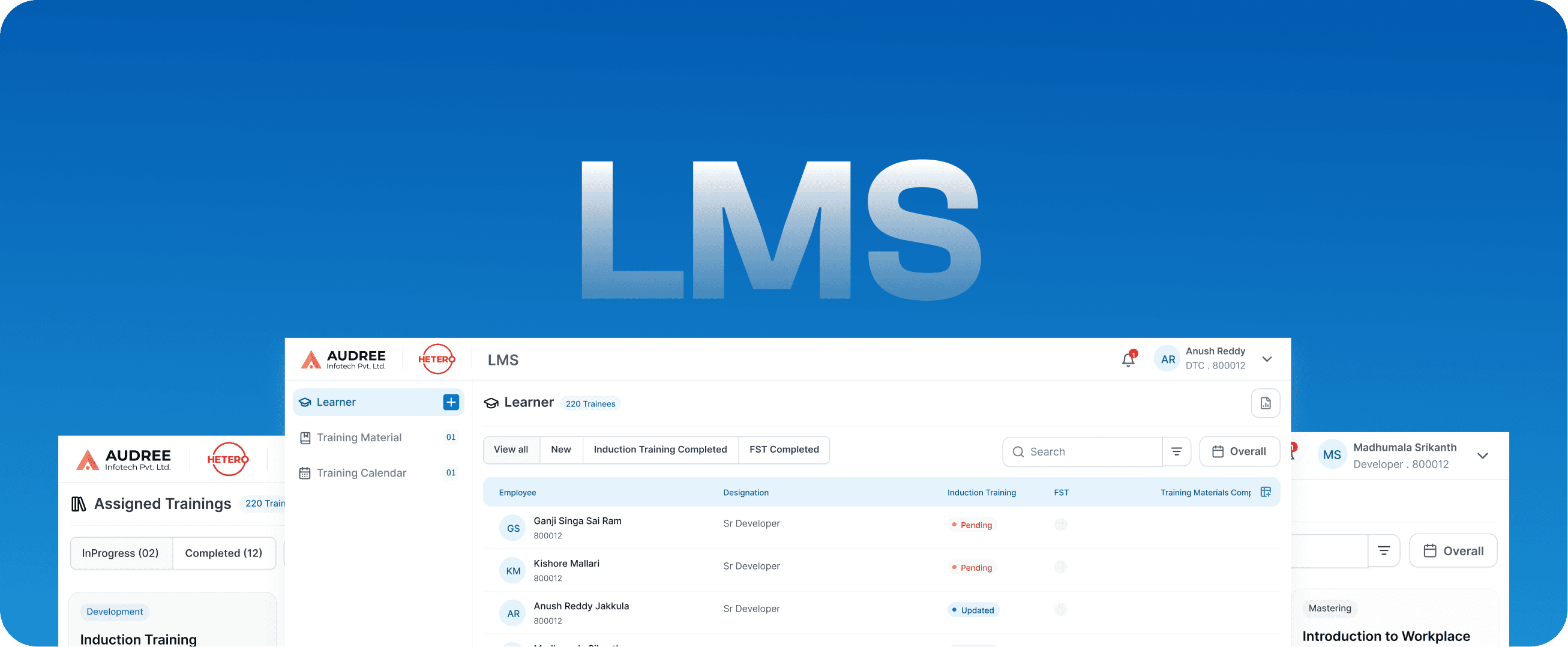
Learning Management System
LIMS
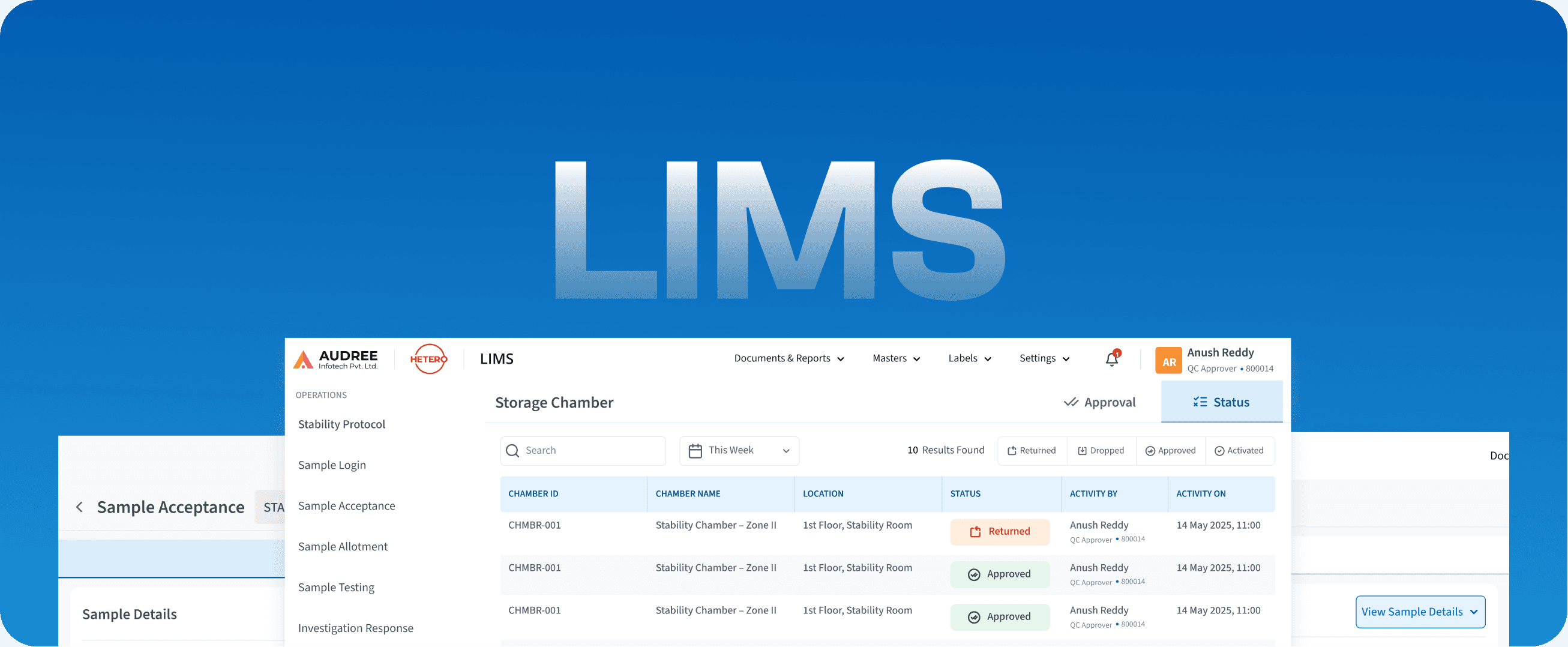
Laboratory Information Management System
S & OP
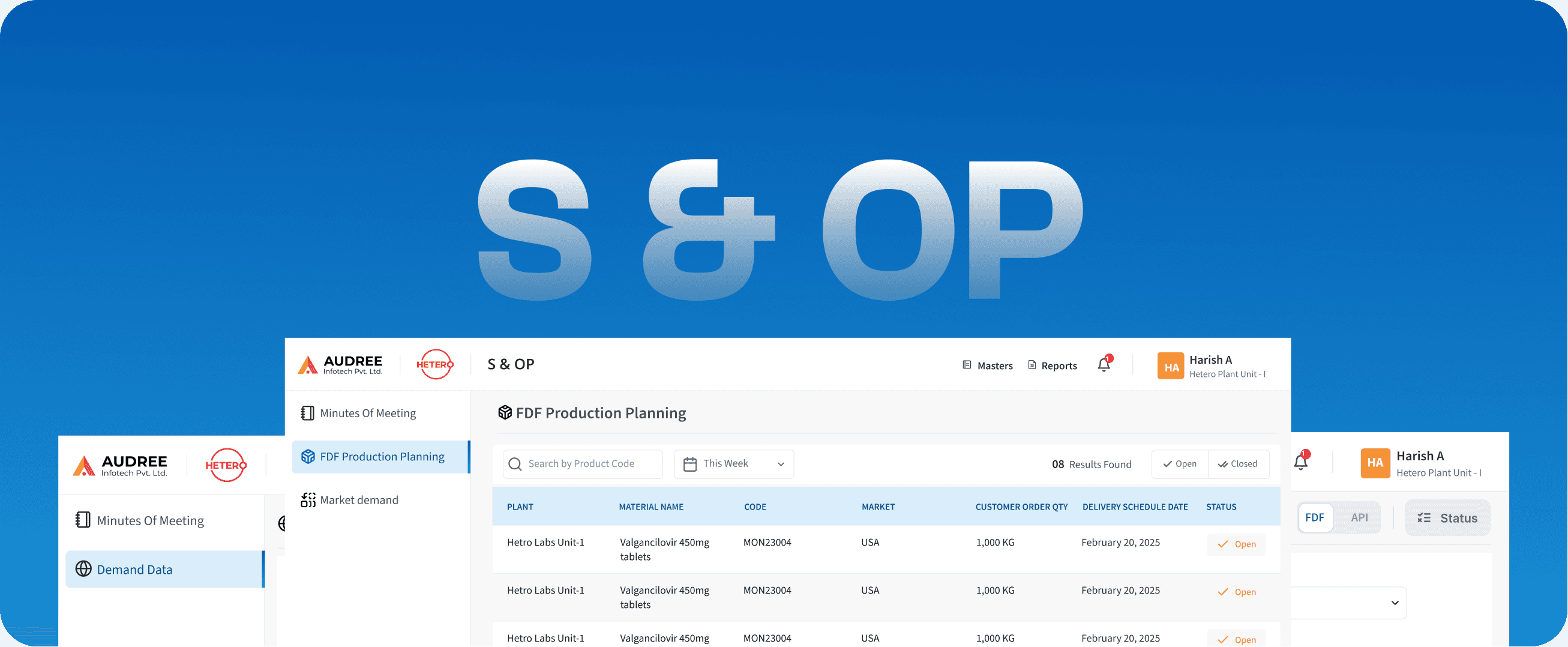
Sales & Operations Planning
E-BMR
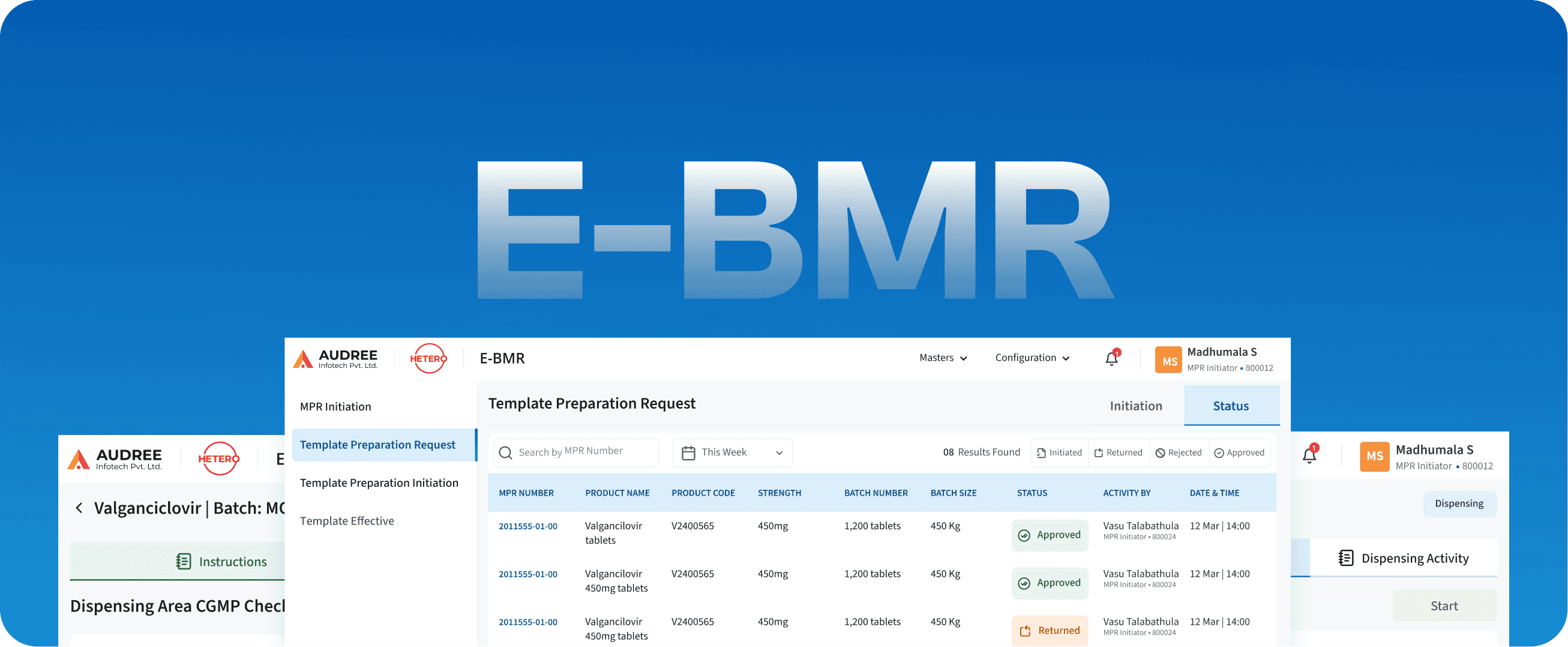
Batch Manufacturing Recall
WMPS
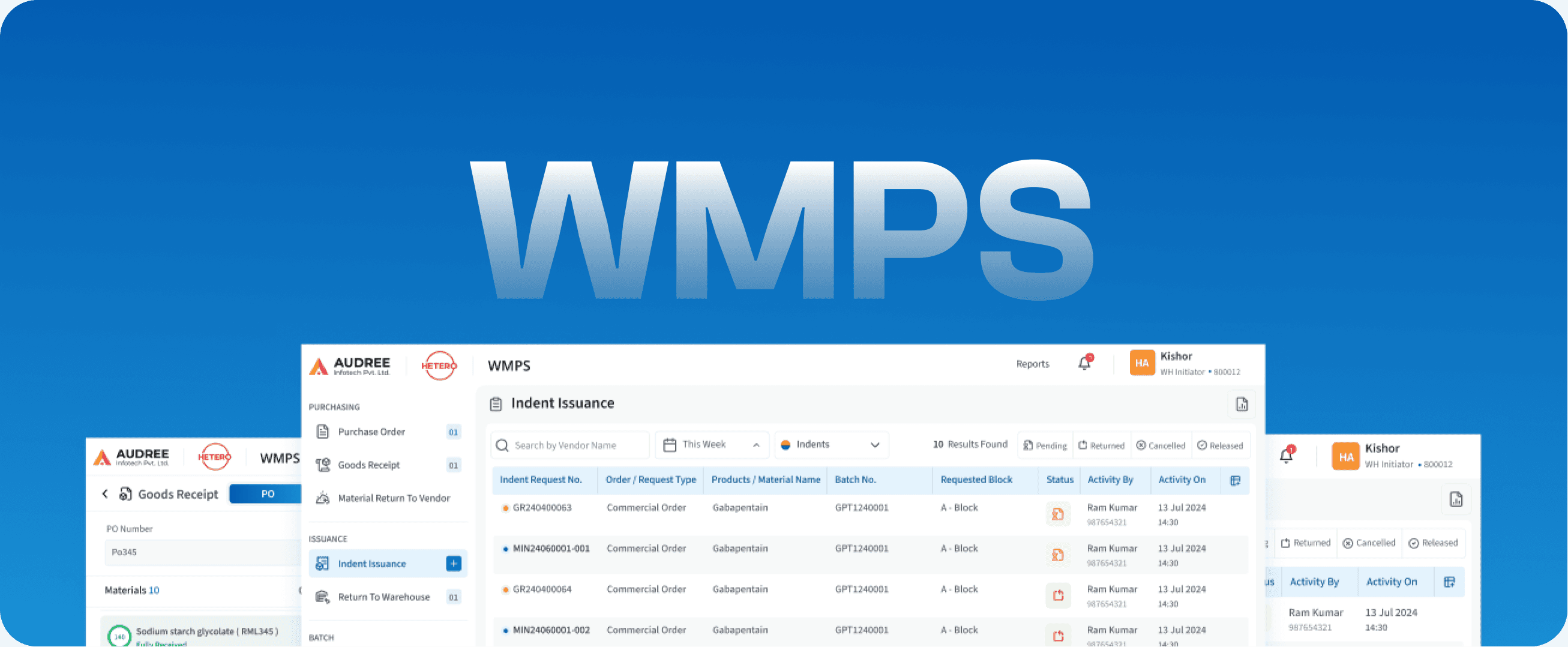
Warehouse Management System
DMS
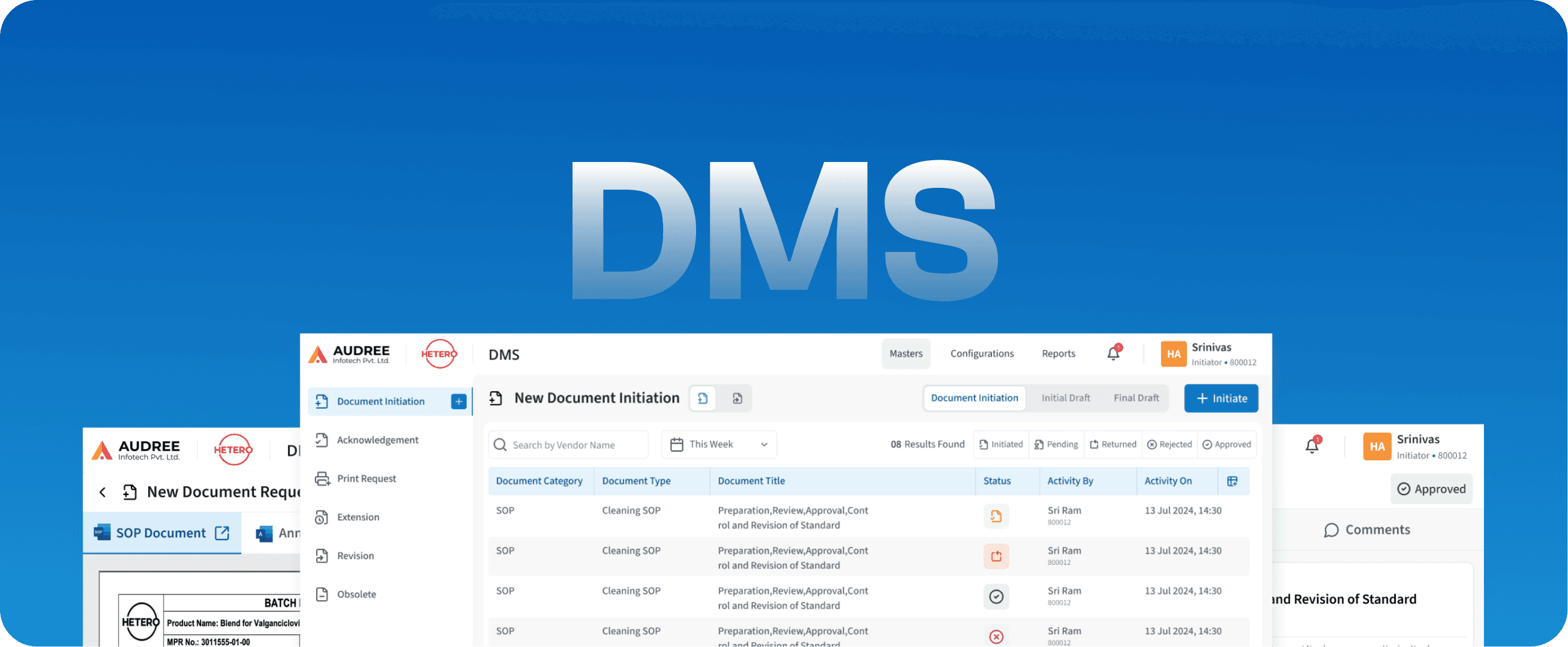
Document Management System
CAPA
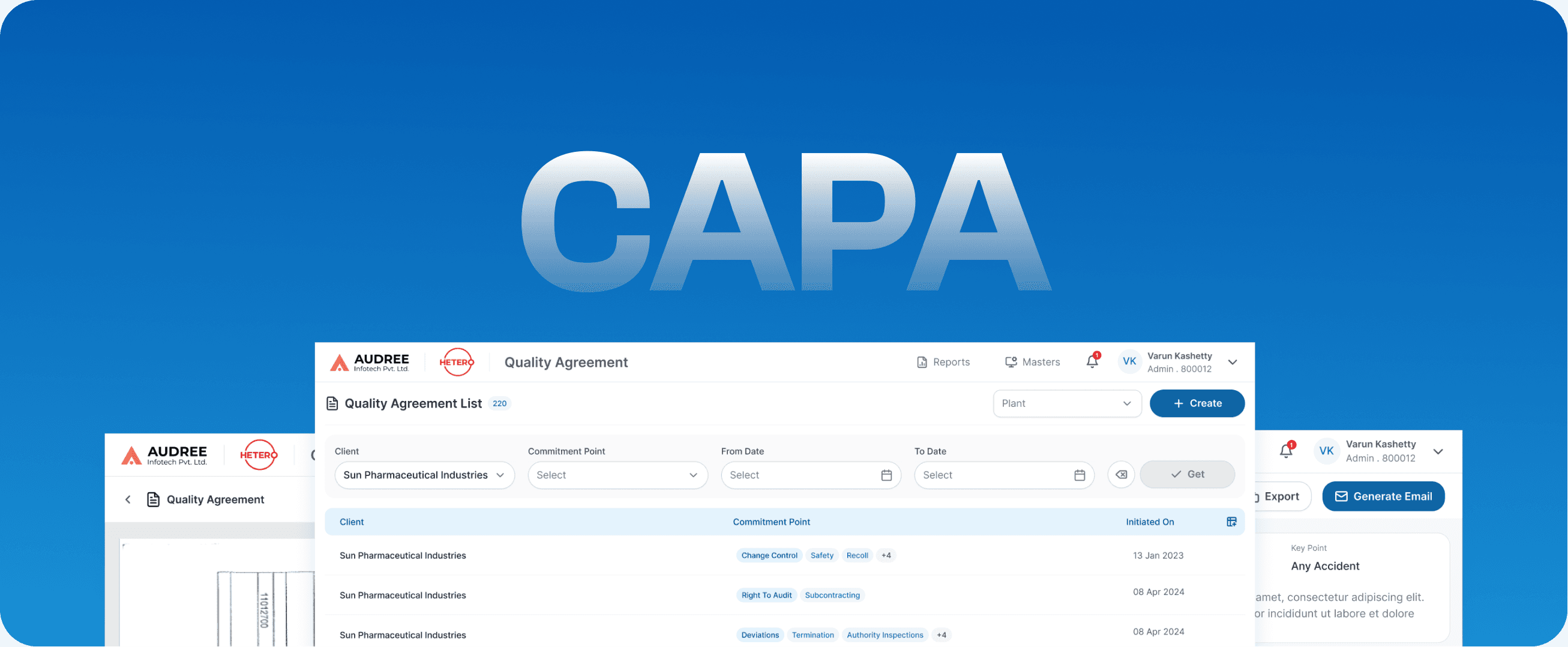
Corrective And Preventive Actions
QAS
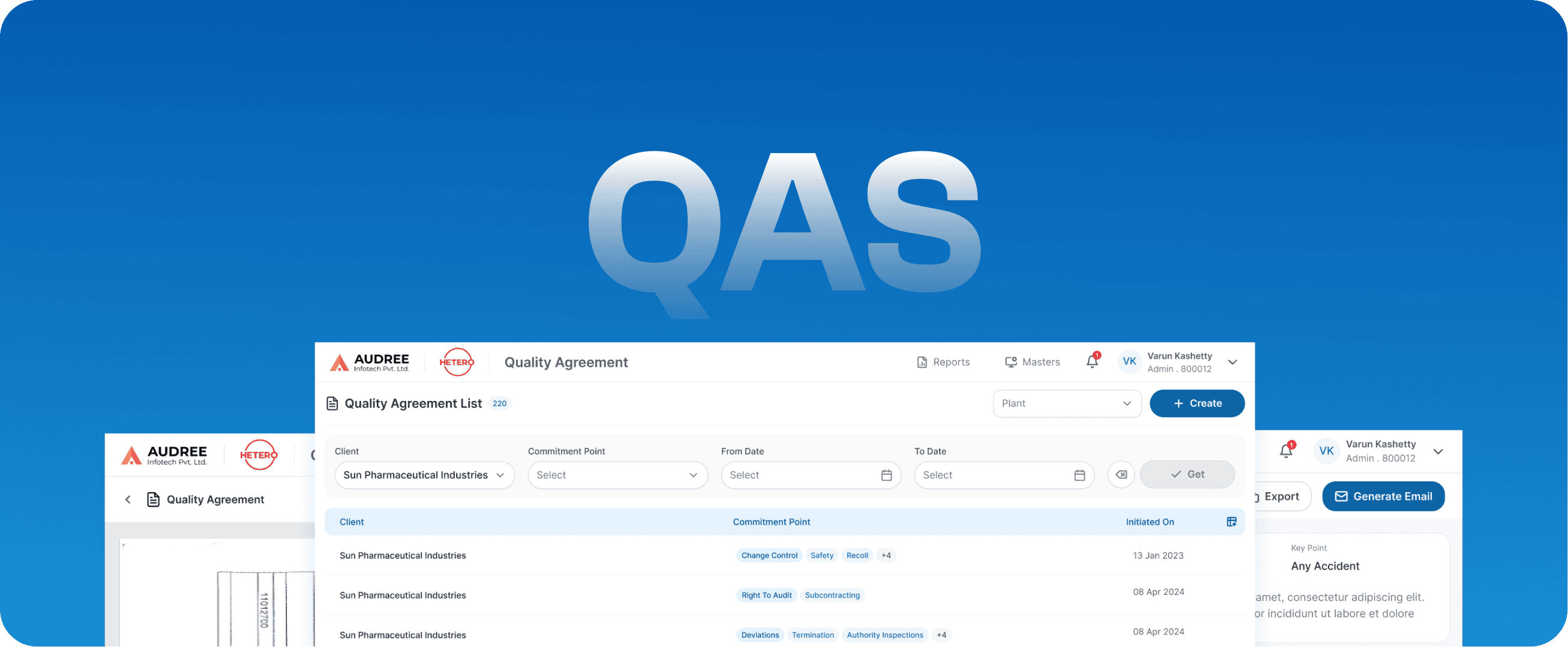
Quality Agreement System
Vendor Portal
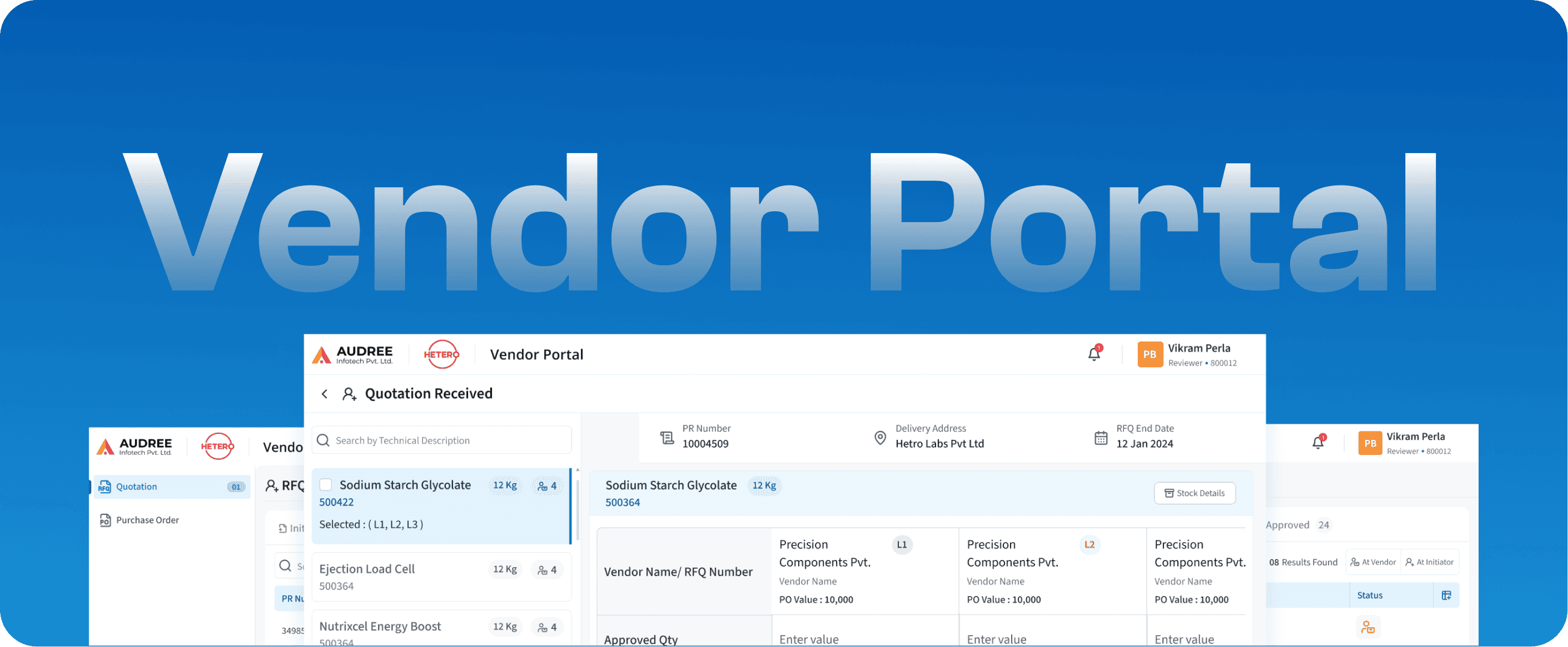
Vendor Management System
LIR-AER
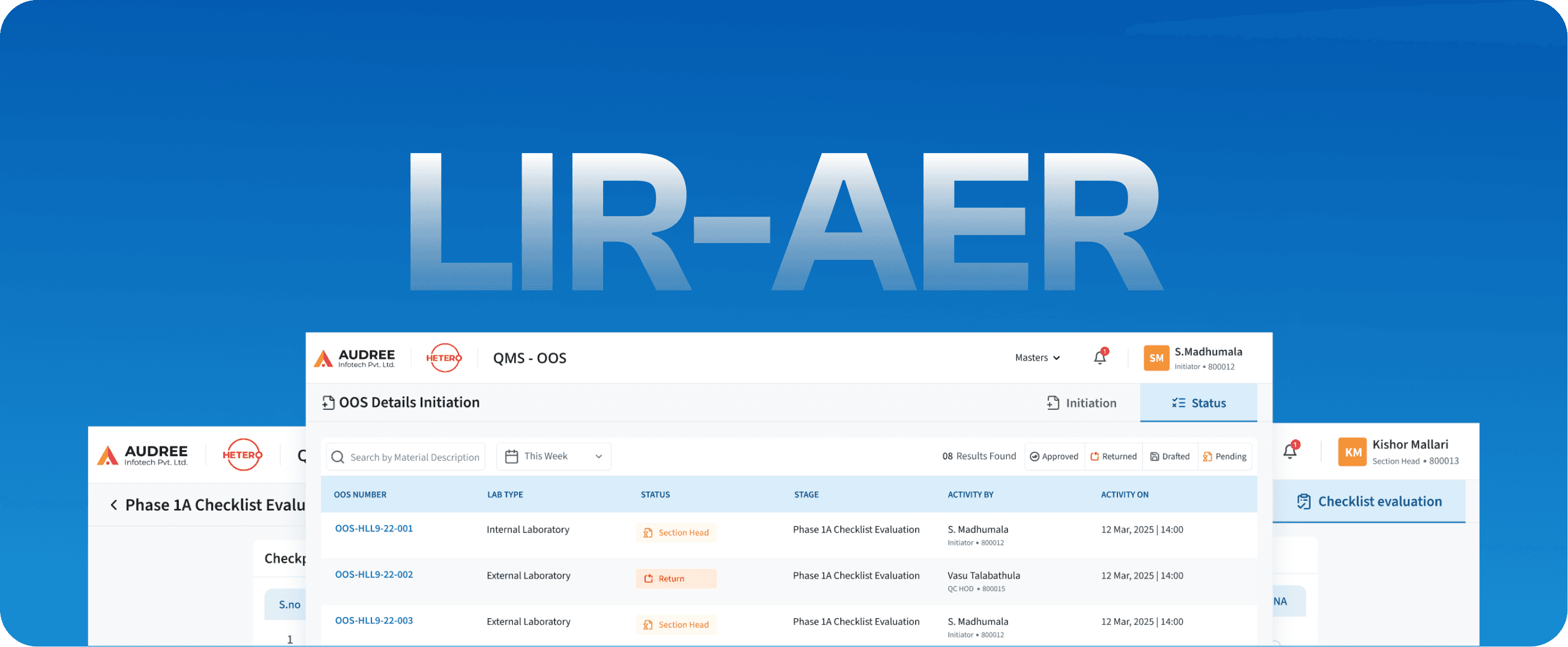
Laboratory Information Record
OOS
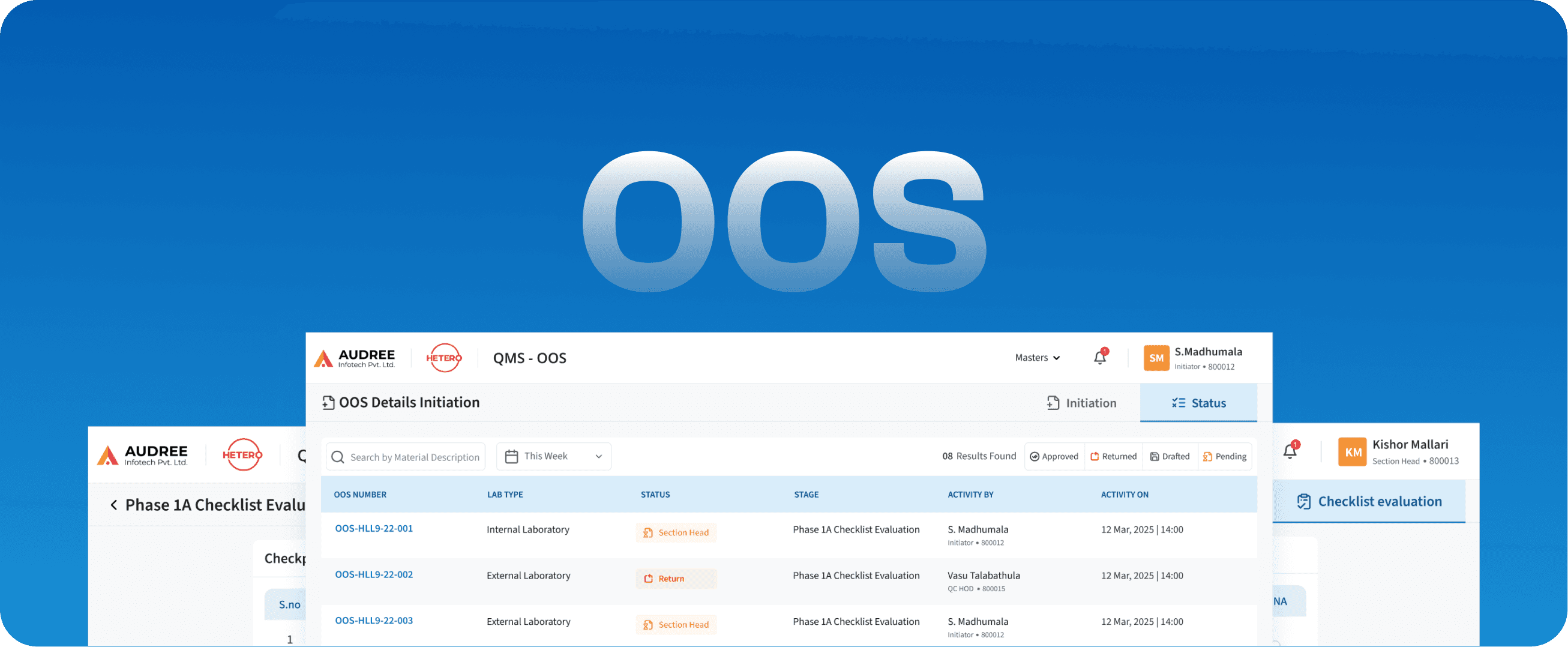
Out Of Specification
CMS
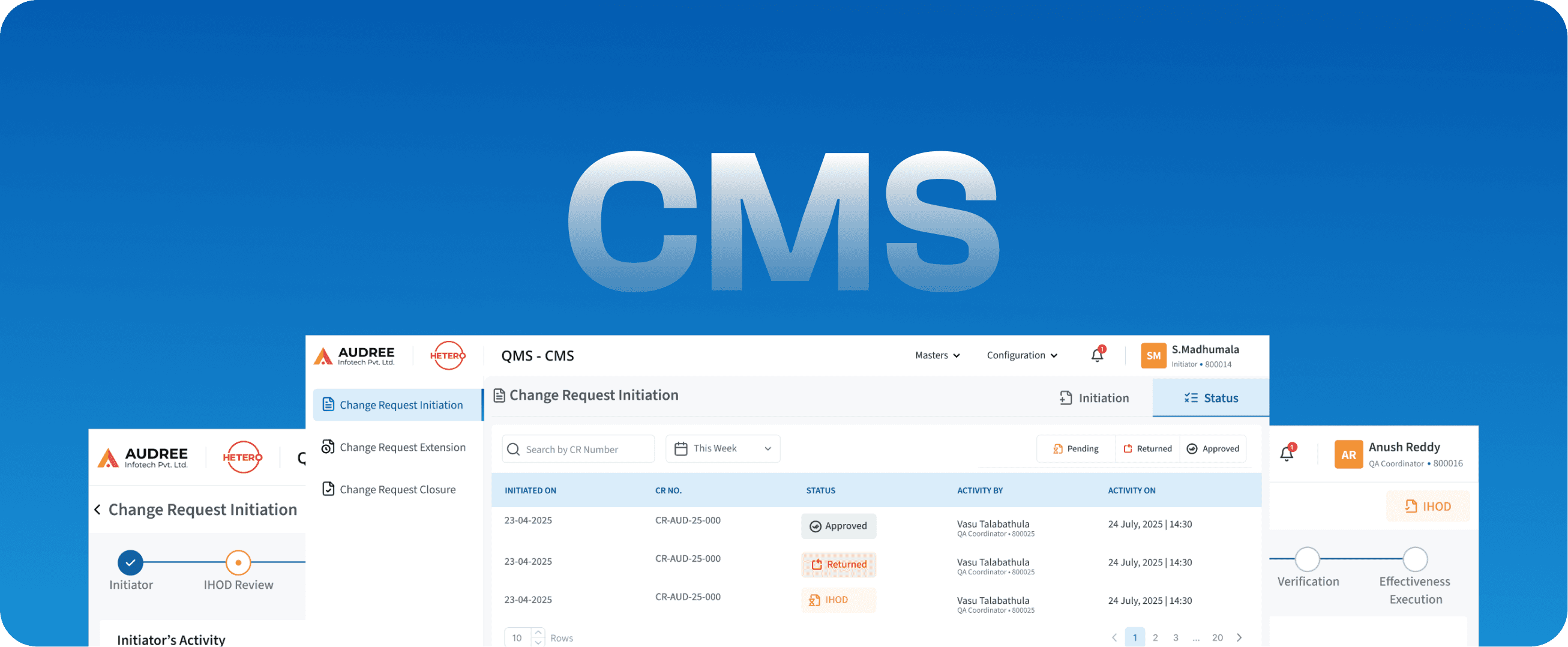
Change Management System
IMS
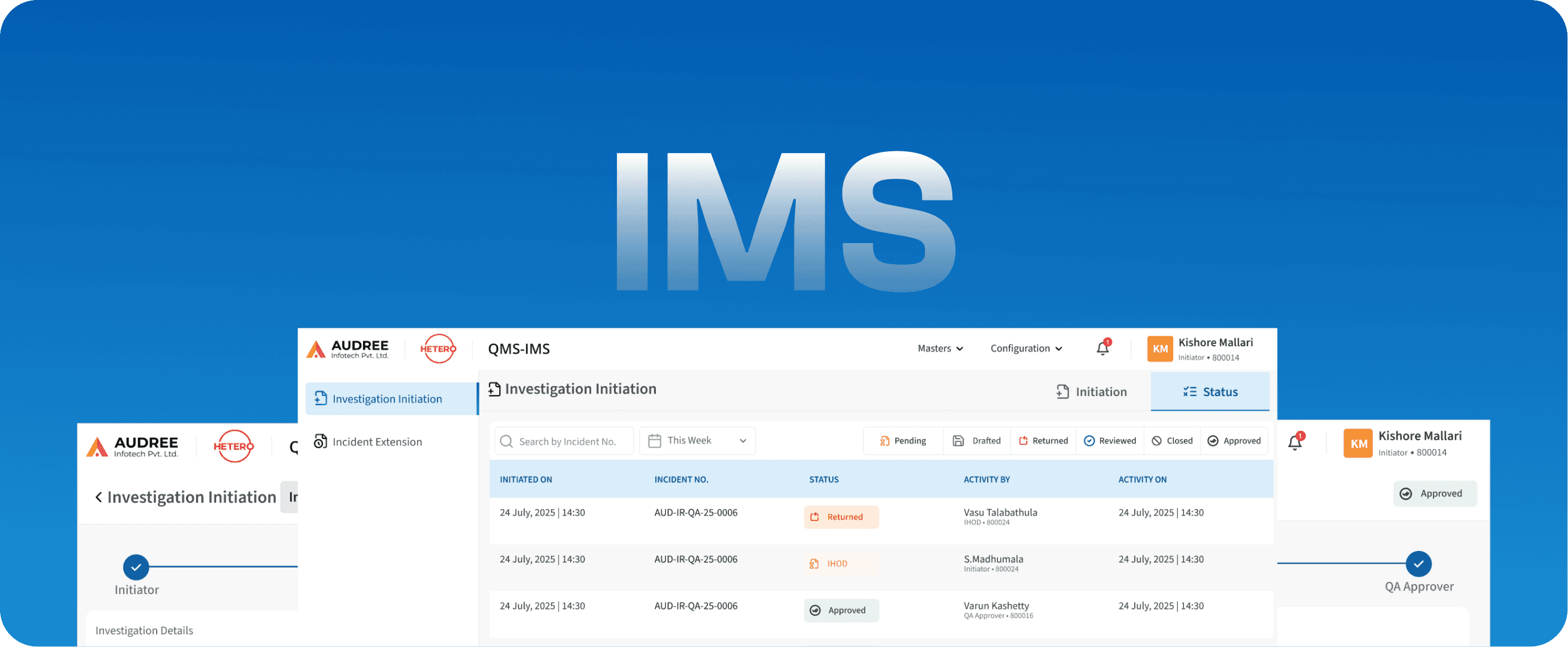
Incident Management System
BRMS-API
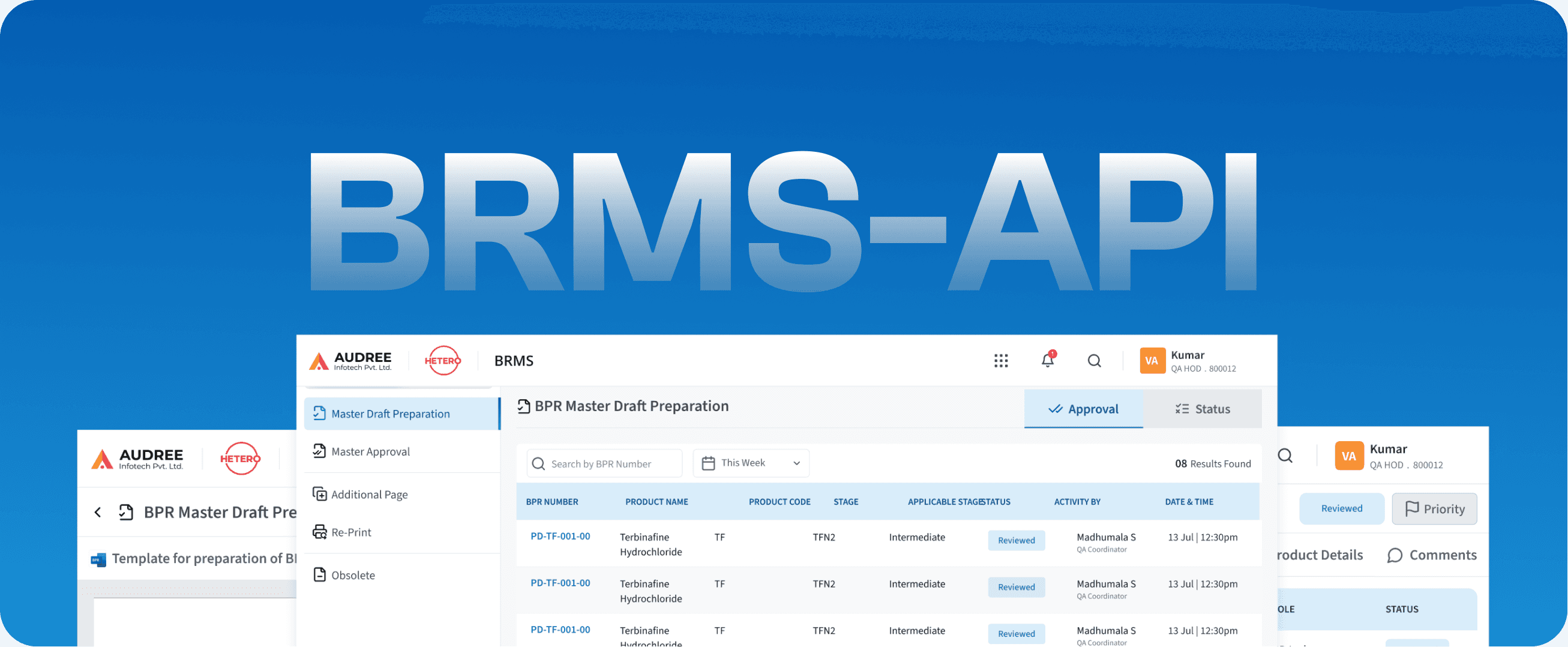
Batch Record- Active Pharmaceutical Ingredient
E-BRMS
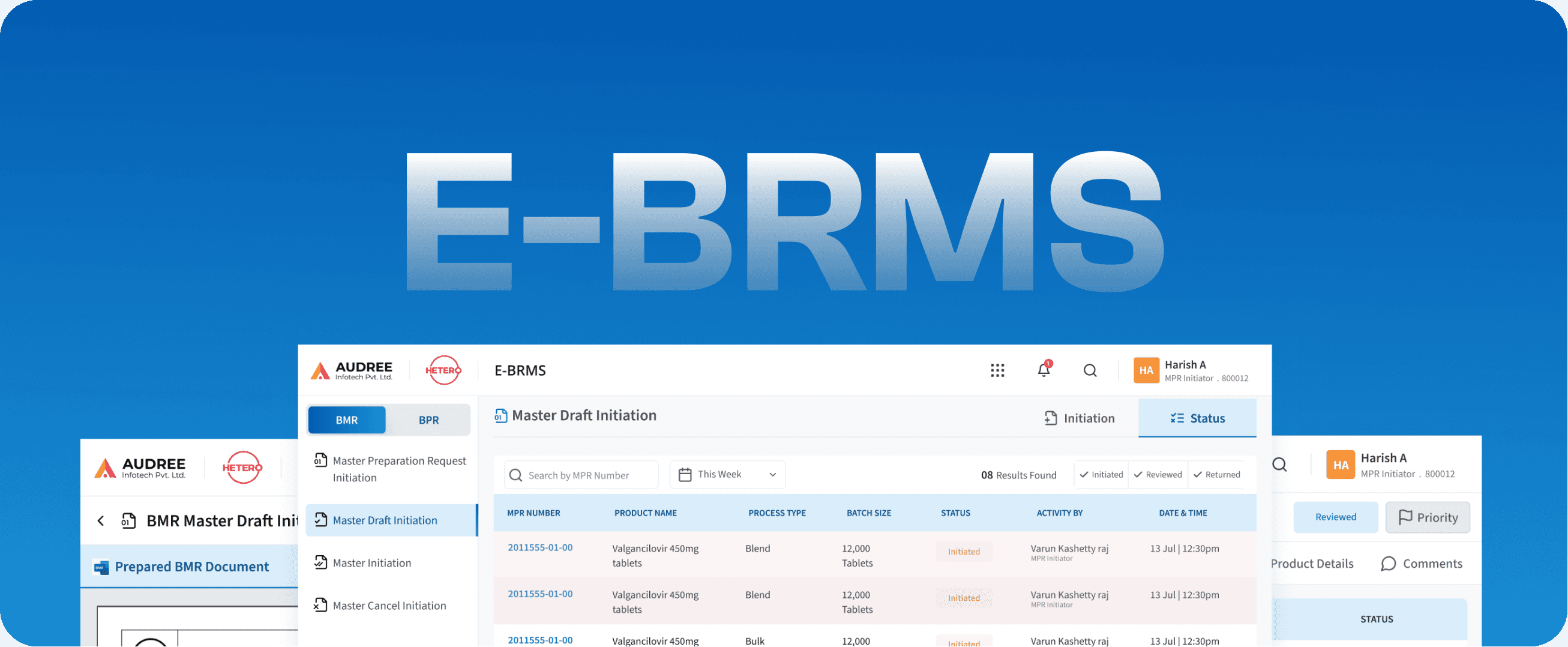
Batch Record Management System
RIMS
Regulatory Information Management System
APQR
Annual Product Quality Review
RCAI
Root Cause Analysis with Intelligence
LMS
Learning Management System
LIMS
Laboratory Information Management System
S & OP
Sales & Operations Planning
E-BMR
Batch Manufacturing Recall
RIMS
Regulatory Information Management Systems
IMS
Incident Management System
BRMS-API
Batch Record- Active Pharmaceutical Ingredient
E-BRMS
Batch Record Management System
APQR
Annual Product Quality Review
RIMS
Regulatory Information Management System
WMPS
Warehouse Management System
DMS
Document Management System
CMS
Change Management System
OOS
Out Of Specification
LIR-AER
Laboratory Information Record
Vendor Portal
Vendor Management System
QAS
Quality Agreement System
CAPA
Corrective And Preventive Actions